
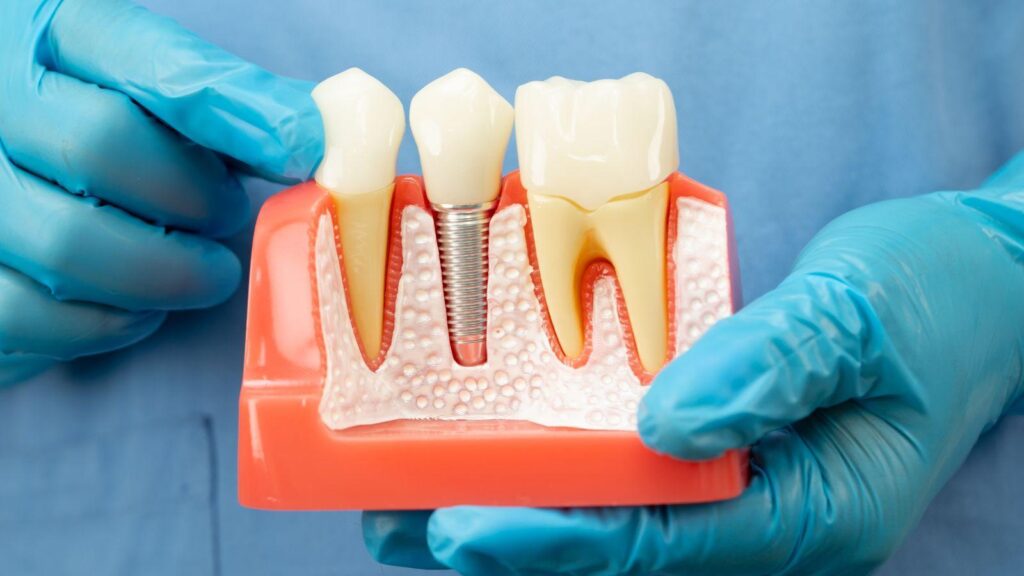
You do not always need to complete implant treatment in one appointment or pay for every stage at once. Your dentist may sequence care around urgent problems, healing requirements, bone and gum health, and your budget. This kind of phased approach is often how patients pursue affordable dental implants in Chula Vista, CA without sacrificing the quality or safety of their treatment.
A phased implant plan can spread costs over manageable stages while addressing problems that cannot safely wait. You may handle extractions or infection control before implant placement.
You can allow time for healing and schedule restorations when clinically appropriate. Careful planning helps protect your oral health without creating unnecessary delays.
Your treatment timeline should reflect your clinical needs, finances, and daily priorities. The following factors can help you understand how dentists sequence treatment and manage costs.
How Implant Treatment Can Be Sequenced
You can spread implant care across clinically appropriate stages while addressing infection, pain, damaged teeth, and chewing problems promptly. Your dentist must balance treatment priorities, healing requirements, bone conditions, medical factors, and your budget before setting a sequence.
Diagnostic Planning And Clinical Priorities
Your dentist usually begins with an examination, dental X-rays, and often a 3D scan. These tests show which teeth can be saved, whether infection or gum disease is present, and whether you have enough bone for implant placement.
Treatment generally starts with urgent problems. Your dentist may first treat an abscess, control active gum disease, repair restorable teeth, or remove teeth that cannot be saved.
Stabilizing these conditions helps protect future implant sites and reduces the risk of complications. Your plan should identify essential care, time-sensitive care, and procedures that can wait.
Ask how delaying each step could affect bone levels, tooth movement, appearance, chewing, and total cost. A written sequence can help you budget without postponing necessary treatment.
Common Treatment Phases
A phased plan may follow this order:
- Disease control: Treat infections, gum disease, decay, and damaged teeth.
- Extractions and temporary teeth: Remove teeth with poor long-term prospects and provide temporary replacements when needed.
- Bone or tissue preparation: Complete bone grafting or gum procedures if your scan shows insufficient support.
- Implant placement: Place implants in one area or treatment stage, depending on healing and surgical requirements.
- Healing and restoration: Allow the implants to integrate with the bone before attaching permanent crowns, bridges, or dentures.
- Later areas: Treat additional missing teeth after earlier sites have healed and your budget allows.
Your dentist may combine compatible procedures to reduce appointments. Healing time still limits how quickly you can progress.
Temporary restorations can maintain appearance and function while later phases remain pending.
When Immediate Treatment Is Necessary
You should not delay care when you have severe tooth pain, swelling, fever, drainage, uncontrolled bleeding, or difficulty swallowing or breathing. These symptoms can indicate an infection or another urgent condition requiring prompt dental assessment; breathing or swallowing problems require emergency care.
A tooth with a spreading infection may need drainage, root canal treatment, or extraction before implant planning continues. Active gum disease also requires treatment because inflammation can compromise the tissues supporting teeth and implants.
Missing teeth may allow nearby teeth to shift, opposing teeth to over-erupt, or the jawbone to shrink. Ask your dentist whether a temporary tooth, space maintainer, or early implant placement can preserve the site while you arrange later treatment.
Managing Costs Across Treatment Stages
A staged implant plan separates clinical priorities, payment deadlines, and recovery periods. You can control cash flow by confirming each phase’s fees, checking coverage before treatment, and reserving funds for changes that may arise during healing.
Separate Fees By Phase
Ask your dentist for a written estimate that lists each stage separately. Common phases include diagnostic imaging and planning, tooth removal or infection treatment, bone or gum procedures, implant placement, healing components, and the final crown, bridge, or denture.
Request both the fee for each phase and the expected payment date. Clarify whether the estimate includes consultations, cone-beam CT scans, temporary teeth, sedation, laboratory charges, follow-up visits, and adjustments.
A lower initial estimate may exclude costs that appear later. Use a simple planning table to compare expected expenses:
|
Phase |
Main costs |
Payment timing |
|
Preparation |
Extractions, infection care, grafting |
Before or on treatment day |
|
Implant placement |
Implant, surgery, sedation |
At surgery |
|
Restoration |
Abutment, crown, laboratory work |
At delivery |
Insurance And Financing Considerations
Dental insurance may cover parts of treatment, such as extractions, bone grafting, or the final restoration, but implant benefits vary widely. Before scheduling care, ask your insurer for a predetermination of benefits and confirm deductibles, annual maximums, waiting periods, exclusions, and coverage for replacement teeth.
Phasing treatment across benefit periods may allow you to use more than one annual maximum. Your dentist should base timing on clinical needs rather than insurance dates.
If you use financing, compare the total repayment amount, interest rate, promotional period, deposit, and late-payment terms. Confirm whether the lender pays the practice directly and whether you remain responsible for payments if treatment changes.
Planning For Unanticipated Needs
Set aside a contingency fund for findings that become clear after an extraction or during implant planning. You may need additional bone grafting, treatment for infection, gum therapy, a replacement temporary appliance, or a different restoration design.
Ask which changes would require your approval before treatment proceeds. Your written plan should identify the costs that are fixed, estimated, or excluded.
It should also state what happens if an implant fails to integrate, including fees for evaluation, replacement surgery, or temporary teeth. Keep records of invoices, insurance decisions, treatment notes, and payment agreements.
Review the next phase with your dentist after each healing assessment so you can adjust the schedule without postponing care that protects your oral health.
Protecting Oral Health Between Appointments
Temporary teeth can protect your bite and appearance while you manage staged implant care. Careful cleaning, scheduled reviews, and timely treatment of dental problems help prevent avoidable setbacks between procedures.
Temporary Tooth Replacement Options
Your dentist may recommend a temporary partial denture, flipper, fixed provisional bridge, or temporary implant-supported restoration. The right option depends on which teeth are missing, the condition of nearby teeth, your bite, and whether the implant site needs to heal before loading.
Removable appliances can restore appearance and chewing but may move, collect plaque, or irritate the gums if they fit poorly. Remove them as directed and clean them daily with a denture brush and approved cleanser.
Avoid adjusting them yourself. Do not sleep in the appliance unless your dental professional specifically instructs you to do so.
A temporary bridge may provide greater stability, but it still needs careful brushing and flossing underneath. Avoid hard, sticky, or chewy foods that could loosen or fracture it.
Contact your dentist promptly if you notice movement, sharp edges, pressure sores, swelling, or a change in your bite.
Home Care And Follow-Up Visits
Brush twice daily with fluoride toothpaste, using gentle pressure around healing tissue and temporary restorations. Clean between teeth with floss, interdental brushes, or a water flosser if your dental team approves the method for your surgical site.
Follow any instructions about chlorhexidine rinses, saltwater rinses, or restrictions after surgery. Your follow-up schedule may include checks of gum healing, bone integration, temporary restorations, and oral hygiene.
Attend these visits even when you have no discomfort. Your dentist may identify inflammation or excessive biting forces before they cause larger problems.
Avoid smoking or vaping during healing because nicotine can impair blood flow and increase the risk of complications. Control conditions such as diabetes as directed by your physician.
Tell your dental team about medication changes, persistent bleeding, fever, worsening pain, or drainage.
Risks Of Waiting Too Long
A planned interval between stages differs from postponing care without clinical guidance. Waiting too long can allow decay, gum disease, infection, tooth migration, changes in your bite, or bone loss to affect the remaining treatment plan.
Contact your dentist if a temporary tooth breaks, a neighboring tooth becomes painful, or an implant site develops swelling or discharge. Seek urgent dental advice for uncontrolled bleeding, rapidly increasing swelling, fever, difficulty swallowing, or breathing problems.
Keep each treatment stage connected to a documented plan. If cost, transportation, healing, or scheduling delays an appointment, tell your dental office rather than simply missing it.
Your dentist may adjust the sequence, repair a temporary restoration, treat active disease, or arrange a lower-cost interim option while protecting the implant site.
Choosing A Treatment Timeline With Your Dentist
Your dentist should base the timeline on oral health, bone support, infection risk, function, healing capacity, and available finances. A staged plan can address urgent problems first while preserving safe options for later implant placement.
Questions To Ask During Consultation
Ask which teeth need immediate treatment and which can safely remain untreated for a defined period. Request a written sequence showing examinations, extractions, bone grafting, implant placement, healing, and final restorations.
Clarify how delaying each stage could affect bone loss, tooth movement, bite function, infection, or future treatment complexity. Ask whether temporary teeth, a partial denture, or another provisional restoration will protect your appearance and ability to chew.
Discuss the expected healing time between procedures and what could change the schedule. You should also ask which costs belong to each phase, what the estimate includes, and whether follow-up visits, imaging, grafting, sedation, or replacement of temporary restorations create additional charges.
Balancing Budget, Comfort, And Long-Term Outcomes
A phased plan may spread payments across several months or insurance periods. The lowest immediate cost may not produce the simplest treatment.
Compare the full projected cost of each option, including temporary restorations, additional imaging, bone grafting, maintenance, and possible adjustments caused by delaying care. Consider how many surgical appointments you can manage.
Think about how time away from work affects you. Decide whether you prefer one longer recovery or several shorter recoveries.
Your dentist can prioritize treatment that prevents active infection or restores essential chewing. Ask how each proposed phase supports the final result.
Implant position, spacing, bite design, and bone preservation require coordination from the beginning, even when treatment occurs over time. Get the plan and alternatives in writing.
Make sure to include review points where your dentist will reassess healing and update the next stage.