
Replacing missing teeth can improve your chewing, speech, comfort, and oral health. Dental implants, bridges, and dentures each solve the problem differently, so the right choice depends on your bone health, remaining teeth, budget, timeline, and personal preferences. If you’re weighing dental implants in Woodbury, MN against bridges or dentures, comparing how each option performs across these factors can help you make a more informed decision.
You’ll need a dental evaluation to determine which option fits your needs and whether factors such as bone loss, gum disease, or medical conditions affect your candidacy.
This guide compares how each restoration works, including function, appearance, durability, treatment time, cost, and maintenance. You’ll also learn which questions to discuss with your dentist before choosing a treatment.
Understanding Your Tooth Replacement Options
Your choice depends on the number and location of missing teeth, your gum and bone health, your budget, and whether you prefer a removable or fixed restoration. Each option differs in stability, treatment time, maintenance, and effect on neighboring teeth.
Dental Implants
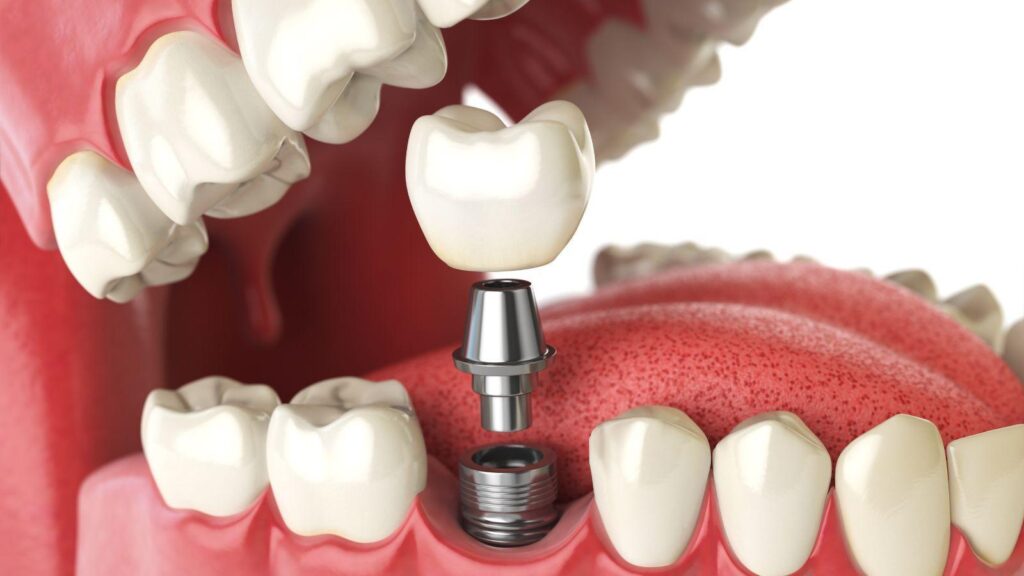
Dental implants replace tooth roots with small titanium or ceramic posts placed in the jawbone. After healing, your dentist attaches a crown for one missing tooth, or a bridge or denture for several missing teeth.
Implants provide stable chewing and do not require support from adjacent teeth. Treatment can take several months because the implant must bond with the bone.
You may need a bone graft if you lack sufficient jawbone volume. Good brushing, flossing, professional cleanings, and control of gum disease help protect the implant and surrounding tissues.
Implants usually cost more initially than bridges or conventional dentures. Your eligibility may also depend on smoking, diabetes control, medications, bone density, and your ability to maintain regular dental care.
Removable Dentures
Removable dentures replace several or all missing teeth with artificial teeth attached to an acrylic base. A partial denture uses clasps or precision attachments to replace some teeth, while a complete denture replaces an entire upper or lower arch.
Dentures avoid implant surgery and often cost less upfront. However, they can move during chewing or speaking, particularly lower dentures.
You may need time to adjust to changes in speech, bite, and food choices. Remove and clean your dentures daily, and clean your gums and remaining teeth.
Your dentist may need to adjust or reline them as your mouth changes. Dentures do not preserve jawbone in the same way implants can, so fit may change over time.
Fixed Dental Bridges
A fixed bridge replaces one or more adjacent missing teeth with artificial teeth supported by crowns on neighboring teeth or, in some cases, implants. You do not remove a conventional bridge, and it can restore chewing and appearance without implant surgery.
A tooth-supported bridge usually requires reshaping the supporting teeth, including healthy teeth in some cases. Food can collect beneath the replacement tooth, so you must clean under it with floss threaders, interdental brushes, or a water flosser.
Bridges generally require less treatment time than implants and often cost less initially. Their durability depends on the health of the supporting teeth, your bite, oral hygiene, and regular dental examinations.
Comparing Function, Appearance, And Longevity
Your choice affects how securely you chew, how natural your smile looks, and how much care the replacement needs. Implants usually provide the closest feel to natural teeth, while bridges and dentures can offer effective results with different limits on stability, bone preservation, and service life.
Chewing Comfort And Stability
Implants anchor a crown, bridge, or denture to your jaw through an implanted post. They generally provide the most stable chewing surface and do not rely on neighboring teeth or adhesives.
You may need several months for healing before receiving the final restoration. A fixed bridge restores chewing function without surgery in the jaw.
It uses crowns on adjacent teeth for support, so it can feel secure, but the supporting teeth must carry additional force. A bridge may also make cleaning beneath the replacement more demanding.
Dentures replace several or all teeth and remain removable. Full dentures can move during chewing, particularly if your jaw has lost bone or the fit changes over time.
Dental adhesive may improve stability, but it cannot eliminate movement in every situation.
Bone Health And Facial Support
When you lose a tooth, the surrounding jawbone can gradually shrink because it no longer receives stimulation from the tooth root. An implant transfers biting forces to the bone and can help preserve the bone around the implant site.
Your dentist must first assess bone volume, gum health, and medical factors that affect healing. A bridge fills the visible gap but does not replace the missing root.
Bone loss can therefore continue beneath the replacement tooth. The bridge may still protect neighboring teeth from shifting and restore support for your cheeks and lips.
Dentures also replace visible teeth but do not stop bone resorption. As the jaw changes shape, your dentures may become loose and require adjustment, relining, or replacement.
Significant bone loss can affect facial support and make denture retention more difficult.
Maintenance Requirements
You clean an implant crown much like a natural tooth, but you must also clean around and beneath the restoration. Use brushing, floss designed for implants, interdental brushes, or a water flosser as your dental professional recommends.
Regular examinations help identify gum inflammation or problems with the implant. A bridge requires careful cleaning around the supporting crowns and beneath the artificial tooth.
Floss threaders, specialized brushes, or oral irrigators can help remove plaque from areas an ordinary toothbrush cannot reach. The supporting teeth remain vulnerable to decay if plaque collects at the crown margins.
You remove dentures for cleaning and usually take them out at night. Brush them with a denture brush and approved cleanser rather than abrasive toothpaste, clean your gums and tongue, and store the dentures in water or the recommended solution.
Your dentist should check the fit periodically.
Expected Lifespan
The lifespan of each option depends on oral hygiene, bite forces, smoking, medical conditions, material quality, and regular dental care. Implants often provide the longest-lasting tooth replacement, although the crown or bridge attached to the implant may need repair or replacement before the implant itself.
A well-maintained fixed bridge commonly lasts about 5–15 years, with some lasting longer under favorable conditions. Decay or gum disease affecting the supporting teeth can shorten its service life, even when the artificial tooth remains intact.
Dentures often require replacement or major adjustment after roughly 5–10 years because the mouth’s tissues and jawbone change. You may need an earlier relining if the denture becomes uncomfortable, unstable, or difficult to chew with.
Evaluating Cost, Treatment Time, And Candidacy
Your choice depends on more than the initial price. You also need to consider replacement frequency, treatment duration, bone condition, gum health, and whether you can undergo surgery.
Upfront And Long-Term Costs
Typical U.S. price ranges vary by location, materials, and preparatory treatment:
|
Option |
Approximate cost |
|
Dental implant |
$3,000–$6,000 per tooth |
|
Dental bridge |
$2,500–$6,000 |
|
Conventional denture |
$1,500–$3,000 per arch |
|
Implant-supported denture |
$3,000–$6,000 per arch |
These figures may exclude consultations, extractions, bone grafting, imaging, sedation, and follow-up care. Insurance coverage also differs, so request a written estimate that separates each stage.
Implants usually cost more initially but can last many years with proper care. Bridges may need replacement as the supporting teeth weaken or the restoration wears out.
Conventional dentures generally cost less upfront, but relining, repairs, replacement, and adhesive products can add long-term expenses.
Procedure Timeline
A bridge often requires two or more appointments after any necessary extraction or gum treatment. Your dentist prepares the neighboring teeth, takes impressions or scans, and places a temporary restoration while a laboratory makes the permanent bridge.
The process commonly takes a few weeks. Conventional dentures can often be delivered after impressions and healing, although immediate dentures may be placed on the day of extraction.
Your dentist may adjust or reline them as your gums change during healing. Implant treatment takes longer because the implant must bond with the jawbone before receiving the final crown or denture.
This healing period often lasts several months. Bone grafting, gum treatment, or multiple extractions can extend the schedule.
Oral Health And Bone Requirements
You need healthy gums and adequate bone support for predictable implant treatment. Untreated gum disease, uncontrolled diabetes, heavy smoking, poor oral hygiene, or certain medical conditions may increase complications.
Your dentist may recommend treatment or medical clearance before surgery. A bridge requires healthy supporting teeth with enough structure to hold crowns.
If those teeth have extensive decay, cracks, or weak roots, an implant or removable option may provide better support. Dentures can replace several or all teeth without implant surgery, making them suitable for many people with limited bone.
However, conventional dentures do not stop bone resorption, so your jaw and gum contours may change over time and affect the fit.
Choosing the Best Solution for Your Needs
Your choice depends on the number and location of missing teeth, jawbone health, medical conditions, budget, and willingness to undergo treatment and maintenance. A dentist can assess these factors and explain whether a fixed, removable, surgical, or nonsurgical option fits your needs.
When Implants May Be Appropriate
Dental implants may suit you if you want a fixed replacement that functions similarly to a natural tooth. An implant uses a titanium post placed in the jawbone to support a crown, bridge, or denture.
It does not require reducing neighboring teeth, which can make it useful when the surrounding teeth remain healthy. You need sufficient bone and healthy gums for predictable placement.
Bone loss does not always rule out implants, but you may need bone grafting first. Healing can take several months, and conditions such as uncontrolled diabetes, active gum disease, heavy smoking, or certain medications may affect your suitability.
Implants usually require a higher initial investment than dentures or bridges. With proper cleaning and regular dental visits, they can provide long-term service, but they still require daily care and professional monitoring.
When Dentures May Be Appropriate
Dentures may work well if you need to replace several teeth or an entire arch without implant surgery. Complete dentures replace all teeth in one arch, while partial dentures replace some missing teeth and use clasps or other attachments for support.
They often cost less initially than implants and can restore appearance and basic chewing relatively quickly. You may also choose dentures if bone loss, medical concerns, healing limitations, or budget make implant treatment unsuitable.
Dentures require daily removal and cleaning. They can move during speaking or eating, particularly if the jaw has changed shape over time.
Your dentist may need to adjust, reline, or replace them as your gums and supporting bone change. Implant-supported dentures can improve stability if you later become a suitable implant candidate.
When Bridges May Be Appropriate
A dental bridge may suit you when one or several adjacent teeth are missing and the neighboring teeth can support a fixed restoration.
A traditional bridge uses crowns placed on the teeth beside the gap, with artificial teeth between them.
An implant-supported bridge can replace multiple missing teeth without relying on natural neighboring teeth.
Bridges avoid removable appliances and usually require less treatment time than implants.
They can restore chewing and appearance, but traditional bridges require the supporting teeth to be reshaped.
Those teeth must have adequate strength and healthy gum support.
You will need to clean beneath the artificial teeth using floss threaders, interdental brushes, or a water flosser.
A bridge may need replacement if its supporting teeth develop decay, gum disease, cracks, or other problems.