
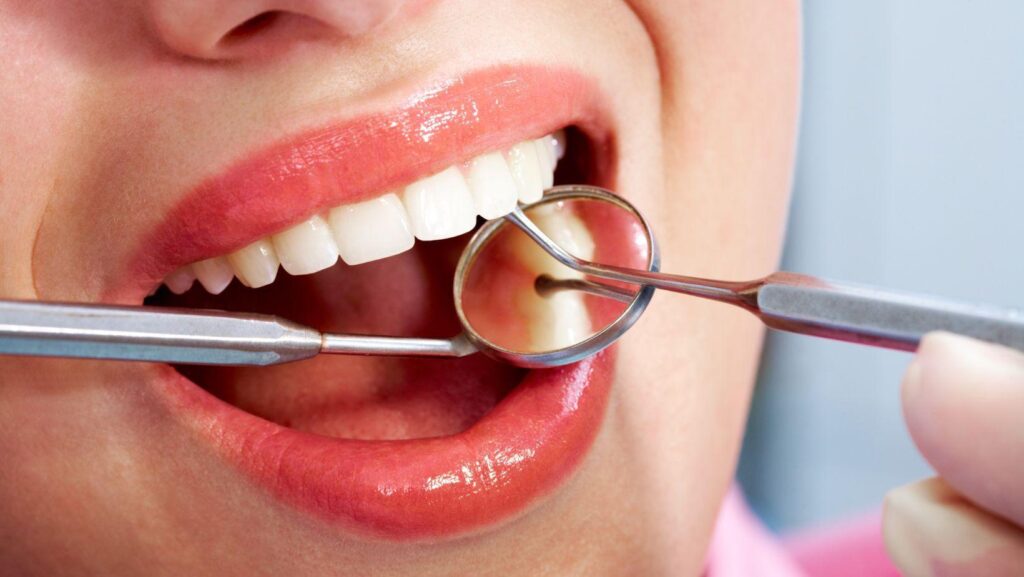
Modern cosmetic dentistry can improve your smile without making your teeth look uniform or artificial. You can avoid the “fake teeth” look through personalized planning, conservative treatment, and materials that reflect light like natural enamel. Working with an experienced cosmetic dentist in Champaign, IL can make the difference between a smile that looks obviously “done” and one that looks naturally yours.
Your dentist can use digital design tools to plan proportions, tooth shape, color, and gum symmetry before treatment begins. Careful preparation and tooth-colored materials such as porcelain, ceramic, zirconia, or lithium disilicate can help create results that look balanced and natural.
The dentist you choose also matters. A provider focused on natural results will preserve healthy tooth structure, account for your facial features, and refine each restoration to suit your smile rather than applying a one-size-fits-all design.
What Creates a Natural-Looking Smile
A natural-looking smile depends on more than tooth color. Your dentist must coordinate tooth shape, facial proportions, translucency, surface texture, and the way each restoration reflects light.
Facial Proportions and Tooth Shape
Your front teeth should suit your facial structure rather than follow a standard template. Your dentist considers factors such as face shape, lip movement, smile width, tooth display, and the relationship between your teeth and gums.
Incisors that appear too long, too square, or too uniform can make a restoration look artificial. Natural teeth also show subtle differences.
The central incisors often dominate the smile, while the lateral incisors and canines vary slightly in width, contour, and prominence. Your dentist may adjust the incisal edge, tooth length, and contact points to support balanced proportions.
Your bite and speech matter as well. A well-designed restoration should allow your lips to move comfortably and your teeth to meet properly.
Digital smile planning, photographs, and temporary restorations can help you assess the proposed shape before the final veneers, crowns, or bridge is placed.
Translucency, Texture, and Light Reflection
Natural enamel is not a flat, opaque white surface. It allows some light to pass through and reflects light differently across the tooth.
Materials such as lithium disilicate and carefully selected zirconia can provide translucency suited to front-tooth restorations, although the best choice depends on your tooth color, bite, and the amount of coverage required. Surface texture also affects appearance.
Fine ridges, gentle grooves, and controlled polish help a restoration reflect light like enamel. Excessively smooth porcelain may look overly uniform, while heavy texture can appear noticeable.
Your dentist and dental laboratory can layer shades, customize translucency, and match small variations between teeth. They also consider how the restoration looks under daylight, indoor lighting, and camera flash.
A precise shade match should include the surrounding teeth, gum color, and any underlying discoloration that could affect the final result.
Personalized Planning and Digital Design
Your cosmetic dentist evaluates your facial proportions, tooth shape, bite, gum position, and smile goals before recommending treatment. Digital records and custom planning help create restorations that support comfortable function while fitting naturally with your existing teeth.
Digital Smile Previews
A digital smile preview lets you review a proposed result before treatment begins. Your dentist may combine photographs, scans, videos, and impressions to model how veneers, crowns, bonding, or bridges could affect your smile.
You can discuss specific details, such as tooth length, visible gum tissue, midline position, and the amount of tooth shown when you smile. This planning process also helps your dentist identify practical concerns, including bite pressure, available space, and whether the proposed shape suits your facial features.
A preview does not guarantee the exact final appearance. However, it gives you and your dentist a clearer reference for adjusting the design before creating the permanent restoration.
Matching Color to Natural Enamel
Your dentist selects a shade by examining your natural enamel under controlled lighting. The process considers more than brightness.
Natural teeth contain variations in translucency, surface texture, and color between the gumline, middle portion, and biting edge. For a realistic result, your dentist may use shade guides, digital photography, and laboratory communication tools.
The technician can then layer ceramic materials or adjust composite resin to reproduce subtle characteristics rather than applying one uniform color. Your surrounding teeth also affect the choice.
If you plan whitening, discuss it before your dentist selects the restoration shade, because porcelain and other restorative materials do not lighten in the same way as natural enamel. Rechecking the shade during the appointment helps account for lighting and moisture changes.
Conservative Techniques and Material Choices
A natural result starts with preserving healthy tooth structure and matching the restoration to your facial features, bite, and existing teeth. Precise planning and modern ceramics help your dentist control thickness, color, translucency, texture, and edge shape.
Minimally Invasive Veneers
You may need little or no enamel removal when your teeth have suitable alignment, shape, and spacing. Your dentist first checks your bite, gum health, enamel thickness, and tooth position; veneers cannot reliably correct untreated decay, gum disease, or major crowding.
Porcelain veneers often require more planning than simply selecting a bright shade. Your dentist can adjust translucency, surface texture, contour, and incisal edge length so the veneers reflect light more like natural enamel.
A shade slightly different from uniform white may look more credible, particularly when it matches your complexion and neighboring teeth. Digital scans, photographs, and a trial design can help you preview the proposed proportions before treatment.
Ask how much enamel removal the plan requires and whether the result will remain compatible with your bite. Preserving enamel improves bonding and helps reduce sensitivity, but veneers still require careful hygiene and may need replacement over time.
Modern Ceramic Restorations
Dentists commonly use lithium disilicate and zirconia for crowns, bridges, and other restorations. Lithium disilicate offers useful translucency for many visible teeth, while zirconia provides high strength and can suit areas that experience heavier chewing forces.
Your dentist chooses based on location, available tooth structure, bite pressure, and appearance. A realistic crown does not rely on color alone.
The laboratory can layer or shade the ceramic to reproduce subtle variations, including a less opaque center, natural edge translucency, and fine surface texture. The dentist also shapes the restoration to support your gums without creating an overly square or bulky appearance.
Your dentist should verify the fit, contact points, bite, and gum response before final cementation. Regular examinations help identify wear, staining around margins, or clenching that could damage the restoration.
Choosing a Dentist Focused on Natural Results
A natural-looking result depends on both technical skill and careful communication. You should assess a dentist’s past work and describe the specific features you want to preserve or change before treatment begins.
Reviewing Before-and-After Cases
Ask to see before-and-after photographs of patients who received the same treatment you are considering, such as veneers, crowns, bonding, or dental implants. Look for consistent details: natural tooth shapes, varied edges, visible texture, and a shade that suits the patient’s complexion rather than appearing uniformly bright.
Check whether the images show multiple angles and similar lighting. Photos that use different expressions, close-ups, and side views give you a better sense of how the result functions in everyday conditions.
Pay attention to whether the gums, lips, and surrounding teeth look balanced. Ask the dentist about the materials and techniques used.
Thick or overly opaque restorations can reduce light transmission and create a flat appearance. A qualified dentist should explain how they assess tooth proportions, facial features, bite, gum contours, and the condition of your natural teeth.
Communicating Aesthetic Goals
Describe what you want in precise terms. You might request a subtle shade change, slightly improved symmetry, preserved tooth texture, or edges that do not look perfectly identical.
Bring reference photos if they show the level of brightness, shape, or natural variation you prefer. Recognize that your result must suit your own features.
Tell the dentist what you want to avoid, such as bulky veneers, an unnaturally white shade, excessive uniformity, or changes that make your smile look too wide.
Ask how much enamel removal the treatment requires. Inquire whether a temporary preview is available and how you can approve the proposed shape before permanent placement.
A careful dentist should discuss limitations, alternatives, maintenance, and the effect of treatment on your bite. You should feel comfortable requesting adjustments before final restorations are made.