
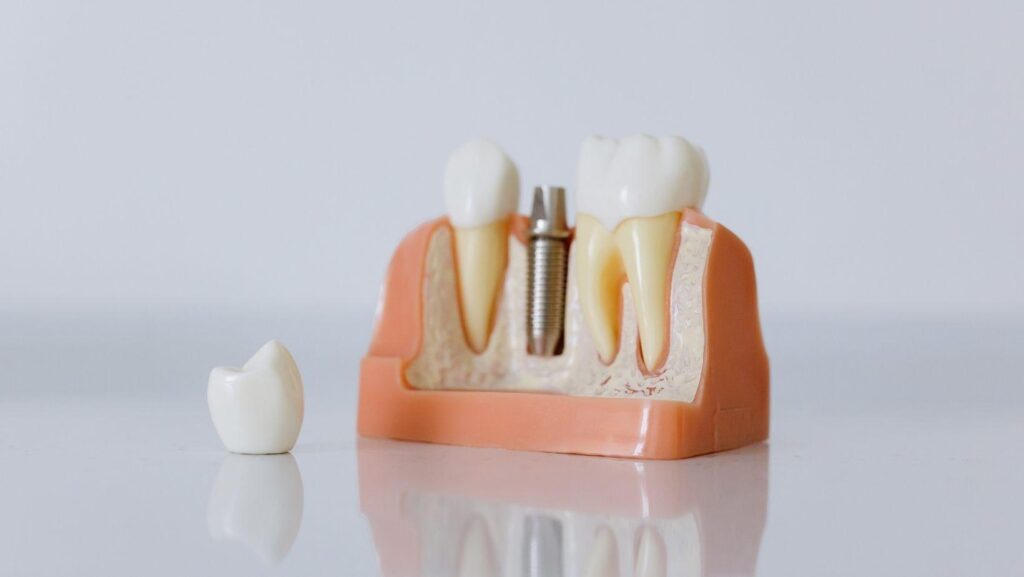
All-on-4 restorations offer a durable solution for replacing an entire arch. The attached teeth and supporting components do not last forever. Patients who choose all on 4 dental implants in Palm Harbor, FL should understand this timeline going into treatment so they know what to expect long-term.
You can typically expect the prosthetic teeth to last about 10–15 years. The implant posts may remain functional for 20 years or longer with proper care.
Your habits, bite forces, oral hygiene, and regular dental visits all affect how long your restoration performs. Learn which components wear out, what warning signs require attention, and how maintenance can help protect your investment.
Typical Service Life Of All-on-4 Components
Your four implants may remain functional for decades. The attached prosthesis usually requires repair, adjustment, or replacement sooner.
Your oral hygiene, bite forces, smoking status, general health, and attendance at maintenance visits all affect these time frames.
Dental Implant Longevity
The titanium implants that support an All-on-4 restoration can last 20 years or longer and may remain functional for life when they integrate properly with your jawbone. Unlike the visible teeth, the implants do not normally wear from chewing.
Implants can still fail because of infection around the implant, inadequate bone support, excessive biting forces, or trauma. You can improve implant longevity by cleaning beneath the prosthesis every day, attending professional maintenance visits about every 3–6 months, and avoiding tobacco.
Your dentist should also monitor bone levels, gum health, implant stability, and the condition of the attachment components.
Fixed Prosthesis Lifespan
The fixed bridge usually lasts about 10–15 years. Some restorations need attention earlier.
Acrylic prostheses may require replacement after roughly 5–7 years, particularly when heavy chewing, tooth grinding, staining, or fractures cause significant wear. Zirconia and other high-strength options may provide greater durability, but material choice does not eliminate maintenance needs.
Your dentist may need to adjust the bite, replace worn teeth, tighten screws, or renew the prosthesis as your gums and jawbone change. Nighttime grinding, poor cleaning, and frequent consumption of hard foods can shorten its service life.
Replacement Versus Repair
A repair may address a chipped tooth, a loose screw, minor wear, or a small fracture without replacing the entire bridge. Your dentist must first identify the cause, because repairing damage while leaving an unstable bite or untreated grinding can lead to repeated problems.
Replacement becomes more likely when the prosthesis has extensive fractures, severe tooth wear, poor fit, damaged attachment points, or changes that prevent effective cleaning. Implant failure requires separate treatment and does not automatically mean that you must replace every component.
Regular examinations help your dentist distinguish routine repairs from situations requiring a new prosthesis.
Factors That Influence Durability
Your restoration’s service life depends mainly on how well you clean around the implants, the forces placed on the bridge, and the materials and design selected for your needs. These factors affect both the implant-supported foundation and the prosthetic teeth attached to it.
Oral Hygiene And Maintenance
Plaque and bacteria can accumulate around the implants, particularly beneath the fixed bridge. Without thorough cleaning, inflammation may develop in the surrounding tissues and progress to peri-implant disease, which can weaken the support around an implant.
Clean beneath the prosthesis daily with a water flosser, interdental brushes, or specialized floss recommended by your dentist. Brush the accessible surfaces twice a day with a soft-bristled toothbrush.
Attend professional examinations and cleanings at the intervals your dental team recommends. Your dentist should check the implants, gum tissues, bite, screws, and prosthesis during maintenance visits.
Promptly report bleeding, swelling, pain, looseness, changes in your bite, or difficulty cleaning. Early adjustment or repair can prevent a minor problem from damaging the bridge or implant components.
Bite Forces And Teeth Grinding
Chewing forces affect how quickly the prosthetic teeth and attachment components wear. Hard foods, uneven contact, and habits such as biting ice, pens, or fingernails can cause chips, fractures, loose screws, or damage to the bridge.
Teeth grinding and clenching place repeated pressure on the restoration, even when you do not notice the habit. If you grind at night, your dentist may recommend a custom night guard designed to protect the prosthesis without interfering with its fit.
Your dentist can also adjust the bite when certain teeth contact too heavily. Do not ignore a new clicking sound, looseness, discomfort while chewing, or a sudden change in how your teeth meet.
These signs can indicate excessive force or a developing mechanical problem.
Material Selection And Prosthesis Design
The bridge material influences wear, fracture resistance, appearance, and maintenance needs. Acrylic or resin teeth can absorb some impact and allow relatively straightforward repairs, but they commonly show wear sooner than high-strength ceramic options.
Ceramic restorations generally resist staining and wear well, although they can chip or fracture under excessive force. Your dentist also considers the number and position of implants, available bone, arch shape, spacing, cantilevers, and cleaning access.
A design that distributes chewing forces evenly and allows you to clean beneath the bridge can improve long-term function. The prosthesis may still require repair or replacement even when the implants remain stable.
Signs A Restoration May Need Attention
Changes in how your bridge feels, visible damage, and symptoms around the implants can signal a problem that needs evaluation. Prompt assessment can help your dentist determine whether you need an adjustment, repair, professional cleaning, or replacement.
Changes In Fit Or Comfort
Your All-on-4 bridge should remain stable when you speak and chew. Contact your dentist if it feels loose, shifts, clicks, or rubs against your gums.
New pressure points, sore areas, or difficulty closing your teeth together may indicate changes in the bridge, bite, gum tissue, or implant-supported components. Persistent discomfort also deserves attention.
Pain when chewing, ongoing tenderness, or a change in sensation can result from bite stress, inflammation, a damaged component, or another oral health problem. Do not try to stabilize a moving bridge yourself or delay care because the discomfort seems minor.
Your dentist can examine the restoration, check the implants, and determine whether an adjustment or more extensive treatment is necessary.
Chipping, Cracking, Or Wear
Inspect your bridge for chipped teeth, cracks, worn edges, or changes in its shape. Minor surface wear may develop from normal chewing, but a sharp edge, a visible fracture, or a missing piece can affect your bite and irritate your cheeks or tongue.
Damage can also expose weaker areas and allow the restoration to deteriorate further. Grinding or clenching can accelerate wear, especially if you do not use a prescribed night guard.
Avoid chewing ice, hard candy, or other unusually hard objects, and arrange an examination after significant damage. Your dentist may smooth a minor defect, repair the bridge, or recommend replacement when wear has reduced its strength or function.
Implant Health Concerns
The bridge can remain intact while a problem develops around an implant. Watch for bleeding, swelling, persistent redness, pus, bad taste, worsening odor, or gum recession near the restoration.
Pain, increasing tenderness, or a change in how the bridge fits can also indicate inflammation or a loose implant component. Keep scheduled examinations and professional cleanings so your dentist can assess the implants, surrounding bone, gums, and attachment hardware.
Seek prompt care if an implant-supported bridge moves, you develop significant swelling, or symptoms worsen quickly. Early treatment may address inflammation or a loose component before the restoration requires more extensive repair or replacement.
Maintenance Strategies To Extend Performance
Your restoration can remain functional longer when you combine scheduled examinations, thorough daily cleaning, and habits that reduce excessive force. The implants may last for decades, but the attached prosthetic teeth commonly require repair or replacement after about 10–15 years, depending on wear, fit, materials, and your oral health.
Professional Follow-Up Visits
Schedule maintenance visits every 3–6 months, or follow the interval your implant dentist recommends. During these appointments, your provider checks the gums, implant stability, bite, prosthetic screws, framework, and areas where plaque or food may collect.
Your dentist or hygienist may take X-rays when symptoms, clinical findings, or your treatment plan justify them. Professional cleaning removes hardened deposits that home care cannot eliminate and helps identify inflammation, loose components, fractures, or changes in the prosthesis before they cause larger problems.
Contact your dental office promptly if you notice bleeding, swelling, persistent soreness, bad taste, looseness, clicking, or a change in how your teeth meet. Do not wait for your next routine visit when these symptoms appear.
Daily Cleaning Practices
Clean beneath and around the full-arch prosthesis every day. Use a soft-bristled toothbrush or an electric toothbrush to clean the accessible surfaces, gumline, and tongue.
An interdental brush can clean beneath the bridge, while a water flosser may help flush food and plaque from difficult-to-reach spaces. Follow your dentist’s instructions about brush size, pressure, and technique.
Do not force an interdental brush into a tight space, and avoid sharp objects that could damage the gums or prosthesis. If your restoration is removable, take it out only as directed and clean both the prosthesis and supporting tissues.
Your provider may recommend a specific cleanser; avoid abrasive household products that can scratch acrylic or other restorative materials.
Protective Night Guards And Lifestyle Habits
If you grind or clench your teeth, ask your dentist whether you need a custom night guard. A properly designed guard can reduce excessive loading on the prosthesis and implants.
An ill-fitting, store-bought appliance may interfere with your bite or trap plaque.
Avoid chewing ice, hard candy, pens, and other objects that can fracture prosthetic teeth or loosen components. Cut very hard foods into smaller pieces.
Distribute chewing across the arch rather than repeatedly loading one area.
Do not smoke or use tobacco, which can impair gum health and increase implant-related risks.
Manage conditions such as diabetes with your healthcare team. Maintain regular dental care, and report any bite change or prosthetic damage promptly.