
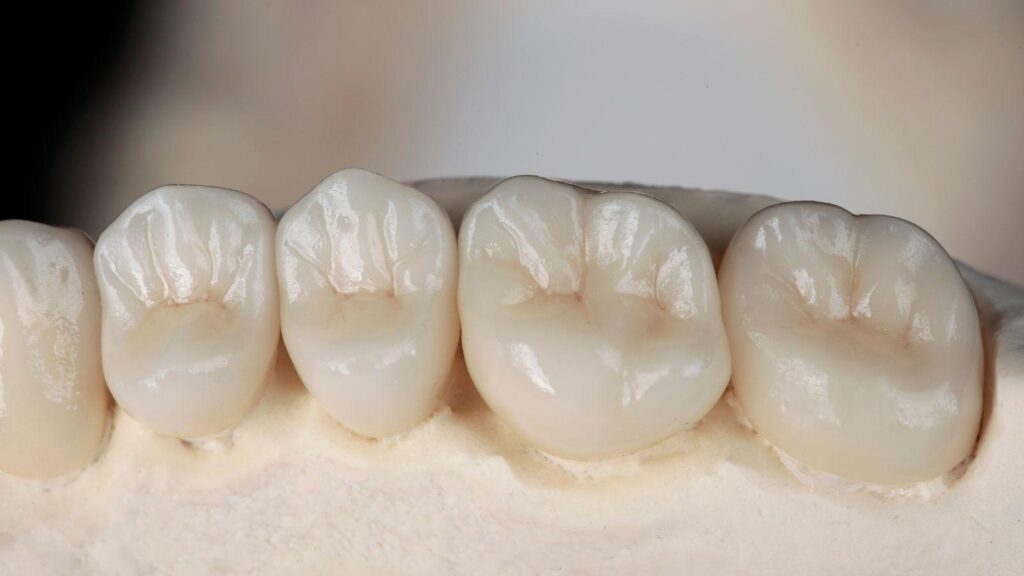
When a damaged tooth needs protection, you may choose between a same-day crown, onlay, or inlay. Each restoration covers a different amount of tooth structure, so the best option depends on the damage, remaining enamel, bite forces, and overall tooth strength. Many patients considering same day crowns in Evansville, IN want to understand how this option compares to onlays and inlays before deciding.
Your dentist will assess whether the damage stays within the cusps, affects one or more cusps, or compromises most of the visible tooth. Understanding these differences can help you discuss practical options and choose a restoration that fits your tooth’s condition and your treatment goals.
Understanding Restoration Types
Your dentist matches the restoration to the amount and location of tooth damage. Same-day crowns cover the entire visible tooth.
Inlays and onlays preserve more healthy enamel when the remaining structure can support a less extensive repair.
Same-Day Crown Basics
A same-day crown replaces the tooth’s visible portion above the gum line. It covers the chewing surface and sides, making it suitable when decay, cracks, large fillings, or previous treatment have weakened much of the tooth.
During one appointment, your dentist prepares the tooth, captures a digital scan, designs the crown, and mills it from a ceramic block. The dentist checks its fit and bite before bonding it permanently.
This process avoids a temporary crown and a second fabrication appointment. Complex cases may still require laboratory treatment.
A crown requires removal of some healthy tooth structure to create space for the restoration. Your dentist may recommend it when the remaining walls or cusps cannot reliably support an inlay or onlay.
Inlay And Onlay Fundamentals
An inlay fits within the grooves between a tooth’s cusps. It can repair moderate decay or damage when the cusps remain strong and intact.
An onlay extends over one or more cusps, providing more coverage without encasing the entire tooth. These restorations preserve more natural tooth structure than crowns, which may benefit teeth with localized damage and substantial remaining enamel.
Your dentist may fabricate an inlay or onlay from ceramic, composite resin, or metal, depending on the tooth’s location, chewing forces, appearance, and clinical needs. Inlays and onlays can require one or two visits.
Your dentist evaluates the crack pattern, filling size, bite forces, and risk of further fracture before selecting the restoration. A large crack or severely weakened tooth may require a crown instead.
Comparing Tooth Coverage And Strength
Your dentist matches coverage to the amount and location of lost tooth structure. Same-day crowns cover the entire visible tooth, while onlays cover damaged cusps and inlays repair the area between them without covering the cusps.
When Full Coverage Is Needed
You may need a same-day crown when decay, fractures, large fillings, or root canal treatment have left the tooth too weak to withstand normal biting forces. The crown fits over the prepared tooth and protects its remaining walls from forces directed across the tooth.
Your dentist must assess the thickness of the remaining walls, the position of the tooth, your bite, and any grinding or clenching habits. A severely cracked tooth may require full coverage, while a tooth with an intact outer structure may not.
An onlay can protect one or more weakened cusps without covering the entire tooth. An inlay sits within the cusps and usually suits moderate damage that does not compromise those raised biting surfaces.
Preserving Healthy Tooth Structure
An inlay or onlay generally requires less removal of healthy enamel than a crown. This conservative approach can preserve stronger natural tooth structure and may help retain more of your original tooth for future treatment.
Your dentist still removes decay, unsupported enamel, and old restorative material before placing either restoration. An onlay may require enough reduction to create a stable shape over the affected cusps, but it avoids preparing sound tooth surfaces solely to create a full crown margin.
If the remaining tooth cannot support an inlay or onlay, selecting one may increase the risk of fracture or replacement. Your dentist uses examination findings and dental imaging when appropriate to determine whether the tooth can safely retain its cusps.
Material Options And Durability
Your restoration may use ceramic, porcelain, composite resin, or gold, depending on the tooth’s location, your bite, aesthetic preferences, and the amount of force involved. Tooth-colored ceramic can closely match surrounding teeth, while gold offers high strength and requires precise laboratory fabrication.
Composite may provide a more economical option but can wear or stain sooner than some ceramics. Same-day crowns and some same-day onlays use computer-aided design and in-office milling.
This can reduce the number of appointments, but the dentist still must achieve accurate preparation, fit, bite adjustment, and bonding. No material guarantees permanent service.
You can improve the lifespan of any restoration by brushing with fluoride toothpaste, cleaning between your teeth, attending dental examinations, and avoiding chewing hard objects. If you grind your teeth, a professionally fitted night guard may reduce damaging forces.
Choosing Based On Clinical Needs
Your dentist chooses between a same-day crown, onlay, or inlay by assessing how much tooth remains, where the damage sits, and how much force the tooth must withstand. Your grinding habits, cosmetic goals, appointment needs, and budget also affect the recommendation.
Extent And Location Of Damage
An inlay suits damage contained within the grooves between the tooth’s cusps. It can preserve more healthy enamel than a crown when the cusps remain strong and the tooth does not need external support.
An onlay covers one or more weakened cusps while preserving the unaffected parts of the tooth. Your dentist may recommend it when decay, a fracture, or a large old filling extends beyond the central grooves but does not compromise the entire visible tooth.
A same-day crown covers the tooth’s full visible surface. You may need one when cracks, decay, or previous restorations have weakened multiple walls or cusps.
Your dentist must confirm that enough healthy tooth structure remains to support the crown.
Bite Forces And Grinding Habits
Your bite affects how much protection the restoration needs. Back teeth that absorb heavy chewing forces may require an onlay or crown when a cusp has fractured or the remaining enamel looks too thin for an inlay.
Tell your dentist if you clench or grind your teeth, wear a night guard, or regularly wake with jaw soreness. These habits can increase stress on any restoration.
A crown may provide more complete coverage than an inlay, while an onlay may protect specific cusps without removing as much healthy tooth structure. Your dentist may recommend a custom night guard after treatment, especially if you grind during sleep.
You should also avoid using the restored tooth to bite hard objects, regardless of the restoration type.
Appearance And Budget Considerations
Same-day crowns and ceramic inlays or onlays can match the color of your natural teeth. A crown changes the appearance of the entire visible tooth, while an inlay or onlay may preserve more of its original shape and enamel.
A same-day crown can reduce treatment time because digital scanning, design, milling, and placement may occur during one appointment. However, availability, tooth complexity, and the material your dentist uses can affect whether same-day treatment is appropriate.
Your insurance coverage and long-term needs also matter. Inlays and onlays may cost less than crowns in some practices, but prices vary by material and laboratory or milling fees.
Ask for a written estimate that includes the restoration, examination, imaging, and any needed buildup.
Planning Treatment With Your Dentist
Your dentist will match the restoration to the amount of healthy tooth remaining, the location of the damage, your bite, and your treatment goals. A same-day crown may suit a badly weakened tooth, while an inlay or onlay may preserve more structure when the damage remains limited.
Digital Scanning And Same-Day Fabrication
Your dentist may use an intraoral scanner to create a digital model instead of taking traditional impressions. The scan records the tooth, neighboring teeth, and bite, allowing the dentist to design a crown, onlay, or inlay that fits your mouth.
A milling unit can fabricate some restorations in the office from a ceramic or composite block. Your dentist then checks the restoration’s contacts, shape, color, and bite before bonding it to the tooth.
Same-day treatment can reduce temporary-restoration time, but it may not suit every case. Complex bite problems, extensive damage, limited equipment, or the need for a laboratory-made restoration may require multiple visits.
Ask whether your tooth needs a crown or whether an inlay or onlay can provide adequate protection while preserving more healthy enamel and dentin. Your dentist should also explain the material, expected durability, fees, and alternatives before treatment begins.
Long-Term Care And Follow-Up
Protect your restoration by brushing twice daily with fluoride toothpaste. Clean between your teeth every day, and attend the follow-up visits your dentist recommends.
Your dentist may check the margins, bite, gum health, and signs of recurrent decay. Avoid chewing ice, hard candy, pens, or other objects that can fracture ceramic.
If you grind or clench your teeth, ask whether a custom night guard could reduce damaging forces. Contact your dentist if you notice sensitivity that persists, pain when biting, a loose restoration, a rough edge, or food repeatedly catching around the tooth.
A crown, onlay, or inlay can last many years, but its service life depends on oral hygiene, bite forces, material, and the health of the restored tooth. Regular examinations help your dentist identify leakage, wear, cracks, or decay before they require more extensive treatment.