
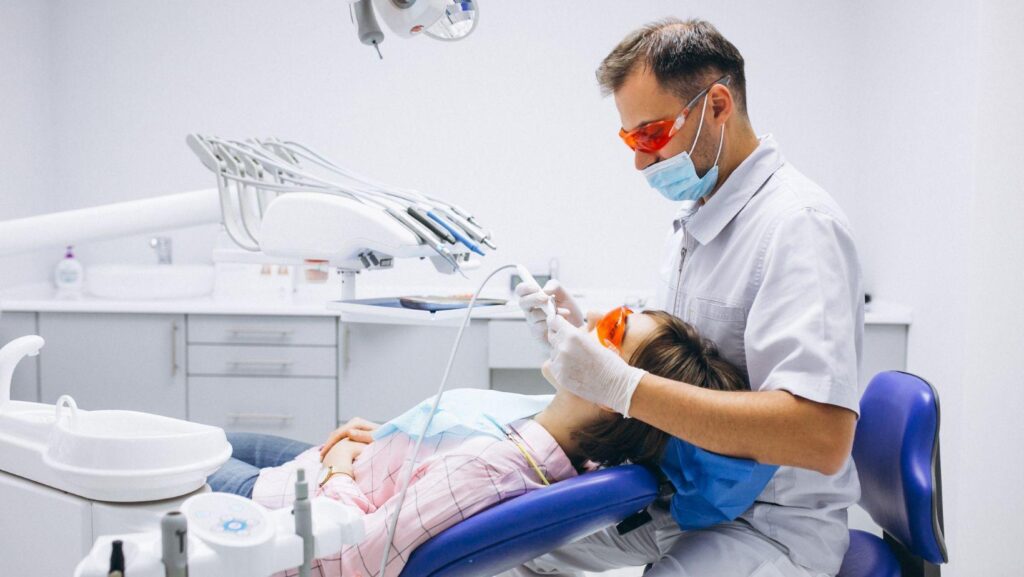
A knocked-out tooth has roughly a 30-minute window before reimplantation odds drop sharply, and that same half hour shapes the outcome for cracked teeth, lost crowns, and swelling from an abscess.
What you do in the 30 minutes before you can reach a same-day dentist should focus on three things: figuring out whether this is a dentist problem or an ER problem, protecting the tooth or damaged area from further harm, and controlling pain and bleeding so you arrive able to be treated quickly.
Most dental emergencies do not require a hospital. Emergency rooms can prescribe antibiotics or pain medication, but they generally cannot replant a tooth, place a filling, or perform an extraction. A same day emergency dentist in Plano, TX can handle all of that in a single visit.
The clock matters, but panic wastes it. Knowing exactly what to check, what to grab from your kitchen or bathroom, and what to say when you call a dental office turns a frantic 30 minutes into a productive one.
Decide Whether You Need an ER or an Emergency Dentist
Send yourself to the emergency room only for symptoms that threaten your airway, involve uncontrollable bleeding, or point to a head or jaw injury beyond the teeth. Everything else, including a knocked-out tooth, a cracked crown, or a throbbing abscess, belongs in a same-day dental chair, not a hospital bed.
Which Symptoms Signal an Airway, Bleeding, or Head-Injury Emergency?
Facial swelling that reaches your eye or is closing your throat is an airway risk and needs the ER immediately. So does a fever with spreading facial swelling, since that combination can signal an infection moving into deeper tissue.
Watch for these ER-level warning signs:
None of those wait for a dental appointment. Everything short of that list, including pain, chips, and a tooth that fell out cleanly, is exactly what a same-day dentist handles.
How to Call a Same-Day Dental Office and Communicate the Urgency
Call while you’re still assessing the injury, not after you’ve tried to fix it yourself. Say plainly what happened: “My tooth was knocked out ten minutes ago” or “I have a broken tooth with visible pain and swelling” gets you triaged faster than a vague description of pain.
Give the office three things: what happened, when it happened, and your current pain or bleeding level. Ask directly whether they can see you within the hour and whether they want you to bring the tooth or any broken pieces. If the first office you call is booked, ask for a referral. Many practices hold same-day slots specifically for trauma and swelling.
Protect the Tooth, Control Bleeding, and Limit Pain
What happens to the tooth or gum tissue in these minutes affects whether it can be saved, and how comfortable you are on the drive over. The right response depends on whether you’re dealing with an avulsed tooth, a break or lost restoration, or pain and swelling from infection.
How to Handle a Knocked-Out Permanent Tooth
Pick the tooth up by the crown, never the root, and avoid scrubbing off any attached tissue. If it’s dirty, rinse it briefly in milk or saline, not tap water, since water damages the root surface cells needed for reattachment.
Try to place the tooth back into its socket and hold it there gently with clean gauze or your finger. If that is not possible, keep it in a container of milk, in saline, or held between your cheek and gum. Do not let it dry out at any point; that alone can determine whether reimplantation succeeds.
Baby teeth are the exception. Never attempt to reimplant a knocked-out baby tooth, and call your dentist for guidance instead.
What to Do for a Broken Tooth, Lost Filling, or Dislodged Crown
Rinse your mouth gently with warm water and save any broken pieces in a small container. Fragments sometimes help a dentist rebuild the tooth or at least confirm exactly what broke.
Cover a sharp or exposed edge with a small piece of sugar-free gum, dental wax, or temporary dental cement from a pharmacy so it stops cutting your tongue or cheek. If a crown came loose but is intact, you can sometimes reseat it temporarily with a dab of denture adhesive or dental cement, then have it professionally recemented the same day.
Apply a cold compress to the outside of your cheek in 15-minute intervals to control swelling. Avoid chewing on that side entirely until you’re seen.
How to Manage Toothache, Swelling, and a Suspected Abscess Safely
Rinse with warm salt water and take an over-the-counter pain reliever like ibuprofen, which also reduces swelling. Never place aspirin directly against the gum or tooth; it can burn soft tissue and won’t relieve the pain any faster.
A cold compress on the outside of your face helps with swelling from a suspected abscess, while a small dental floss pass around the painful tooth can rule out a trapped piece of food causing the ache. If you notice a pimple-like bump on the gum, drainage, or a bad taste, that points to infection and needs same-day attention rather than a wait-and-see approach.
Arrive Ready for Fast, Effective Dental Treatment
Walking in prepared lets the dental team start treatment immediately instead of spending the first ten minutes gathering information you could have brought with you. Arriving with the tooth or fragments properly stored, a clear timeline of what happened, and your medical history ready is what actually speeds up same-day treatment.
Bring a short list with you or have it ready on your phone:
Skip food and drink if you suspect you’ll need a procedure that day, since some sedation options require an empty stomach. If you’re driving yourself and in significant pain, consider having someone else drive; a throbbing tooth is a distraction behind the wheel.
Call ahead one more time if your symptoms change en route, such as new swelling or bleeding that restarts. That update lets the front desk adjust your appointment slot or flag the dentist before you arrive.
Quick Action Can Preserve Your Tooth and Prevent Complications
The steps in the first 30 minutes decide more than most people realize: whether a knocked-out tooth can be saved, whether a crack turns into a root canal, and whether an infection stays contained until you’re seen. Deciding quickly between an emergency dentist and the ER, handling the tooth or break correctly, and controlling pain and bleeding all work together to protect the outcome.
Same-day dental offices exist because these situations are common and time-sensitive. Calling early, describing the injury clearly, and bringing the right items with you turns a stressful half hour into a same-day fix instead of a bigger problem down the line.