
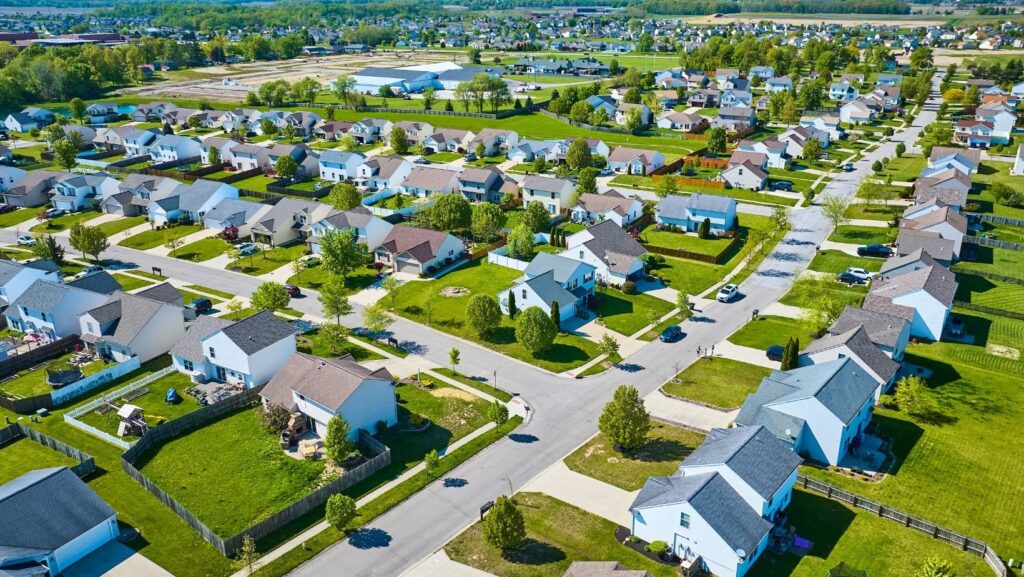
Moving to or within the Seattle area is notoriously competitive. The process routinely triggers anxiety and burnout, especially for busy working professionals and growing families trying to juggle a relocation with their daily lives. You spend hours scrolling through listings, tracking bidding wars, and worrying about interest rates.
Choosing a home is more than a simple financial transaction. It is a fundamental choice about your daily physical and mental health. Where you plant your roots directly dictates your routine, your stress levels, and your overall happiness.
Navigating this market requires a partner who looks beyond basic property statistics to understand your desired lifestyle. Navigating the competitive Seattle housing market can easily become a source of anxiety, but it doesn’t have to be.
The Three Pillars of a Right Community
When evaluating where to live, you need a framework to judge a community’s true value. Walkability, nature access, and community hubs serve as the foundational elements of a healthy neighborhood.
Experienced agency insights reveal how these factors affect daily life and property choices. They can identify neighborhoods where homes balance convenience, lifestyle, and long-term value, highlight areas with access to reliable schools and transit, and point out subtle differences between similar communities that often make one location a better fit for available homes. This kind of guidance helps buyers make informed decisions, rather than relying on guesswork or surface impressions.
Walkability Promotes Natural Movement
Pedestrian-friendly streets effortlessly integrate physical activity into a busy professional’s daily routine. When you live in a walkable area, you remove the friction of having to schedule exercise. Movement simply becomes a natural part of running your daily errands.
Leaving the car at home to grab your morning coffee or pick up fresh groceries naturally boosts your daily step counts. This incidental exercise drastically improves your cardiovascular health without requiring a gym membership. You get your workout in simply by living your life.
The data strongly supports this approach to urban design. A study by Washington State University found that a 55% increase in a neighborhood’s walkability results in a 23% increase in walking among residents, adding roughly 19 minutes of physical activity per week, according to researchers at WSU.
Green Spaces Act as a Buffer Against Stress
Having parks, trails, and nature nearby is a psychological necessity, especially in a bustling urban environment like Seattle. The human brain is simply not wired to stare at concrete and screens all day.
Swapping dense city views for lush tree canopies and open green areas has a direct, calming effect on your nervous system. Spending time under the trees actively lowers cortisol levels, reduces blood pressure, and quiets a racing mind. Nature acts as a natural buffer against the pressures of modern professional life.
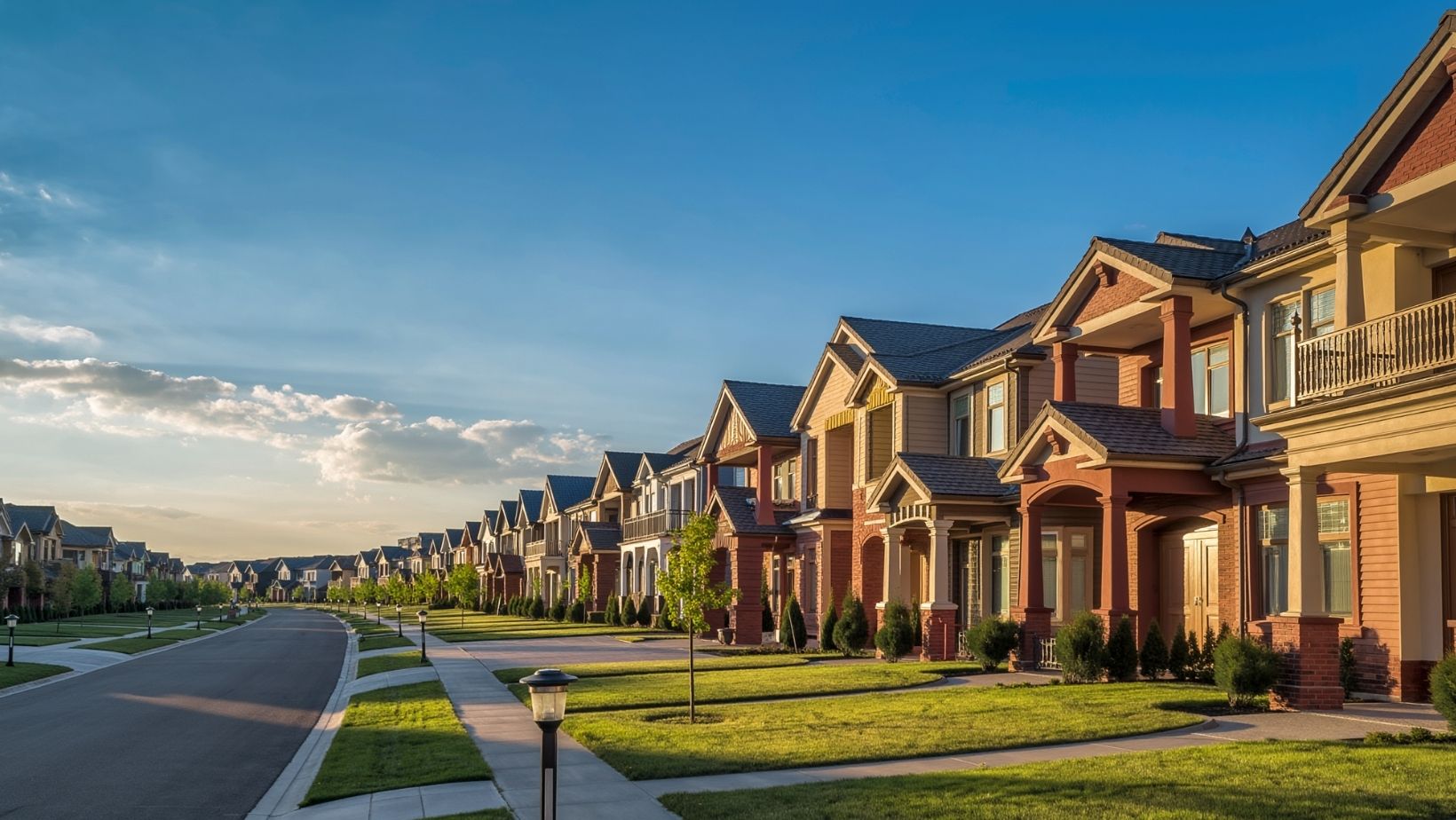
The mental health benefits of green space are highly documented. Research from the Texas A&M University School of Public Health reveals that people living in neighborhoods with adequate nature exposure have a 51% lower likelihood of developing depression.
Community Amenities Foster Connection
Proximity to fresh food, social hubs, and local businesses supports long-term family health and social well-being. Humans are social creatures, and we thrive when we feel connected to the people living around us.
Local farmers’ markets, independent cafes, and community centers actively combat isolation. They create natural gathering spaces that encourage casual conversations with neighbors and promote healthier lifestyle habits. When healthy food and social interaction are just a short walk away, you are far more likely to take advantage of them.
These accessible amenities connect directly to the healthy development of growing families. A University of British Columbia study found that children living in highly walkable areas with access to parks and fresh food were 59% less likely to be obese.
Evaluating Seattle Neighborhoods for Lifestyle ROI
The Seattle and Bellevue areas are famous for their distinct neighborhood cultures. Each pocket of the city offers unique lifestyle benefits depending on what type of environment helps you thrive.
Understanding these hyper-local nuances is the key to finding your perfect fit. Here is a quick breakdown of how a few popular communities deliver on specific wellness pillars.
| Seattle Neighborhood | Primary Wellness Strength | Lifestyle Highlight |
| Ballard | Community Hubs & Social Connection | Features a vibrant year-round farmers’ market, highly walkable avenues, and dense social hubs. |
| Arboretum | Nature Access & Tranquility | Offers expansive, old-growth tree canopies, quiet streets, and easy access to botanical gardens. |
| Downtown Kirkland | Waterfront Walkability | Provides pedestrian-friendly paths right along Lake Washington, blending active outdoor living with local dining. |
| Green Lake | Natural Movement & Recreation | Centers entirely around a highly active 2.8-mile trail, making daily cardio a core community focus. |
You cannot fully evaluate a community’s culture from a computer screen. Before you decide to make an offer, physically explore the area during different times of the day. Grab a coffee at a local shop on a Tuesday morning, walk the nearest park on a Sunday afternoon, and pay attention to how the neighborhood makes you feel.
Protecting Your Peace During the Home Search
Navigating the competitive housing market without sacrificing your mental health requires a strategic approach. The traditional home-buying experience is chaotic and high-anxiety, leaving many buyers feeling overwhelmed and exhausted by the time they get their keys.
A supported, guided approach changes this dynamic entirely. When you work with professionals who shield you from the unnecessary noise, you can focus your energy on finding the right fit for your family. The psychological difference between a reactive search and a proactive, managed search is massive.
To avoid burnout, define your non-negotiable wellness features very early in the process. If you know you need to live within five blocks of a park to maintain your sanity, make that a hard rule. This prevents you from wasting emotional energy touring beautiful homes in neighborhoods that will ultimately make you miserable.
Finding the right home should be a fun, exciting milestone. It is a time to dream about your future and take the next big step in your life. Do not let the logistics of the market turn a joyful transition into a source of dread.
Conclusion
Where you live dictates how you live. Your neighborhood selection is not just a real estate decision; it is a primary driver of your long-term health and happiness. The streets you walk, the trees you see, and the community you engage with shape your everyday reality.
As you start your search, remember to look well beyond the square footage. Actively hunt for walkability, easy access to nature, and genuine community connection. A house is just a structure, but the neighborhood provides your lifestyle.
Finding a true personal sanctuary in the Seattle area is entirely achievable when you take a neighborhood-first approach. By prioritizing your physical and mental well-being from day one, you will find a place where you can truly thrive.