
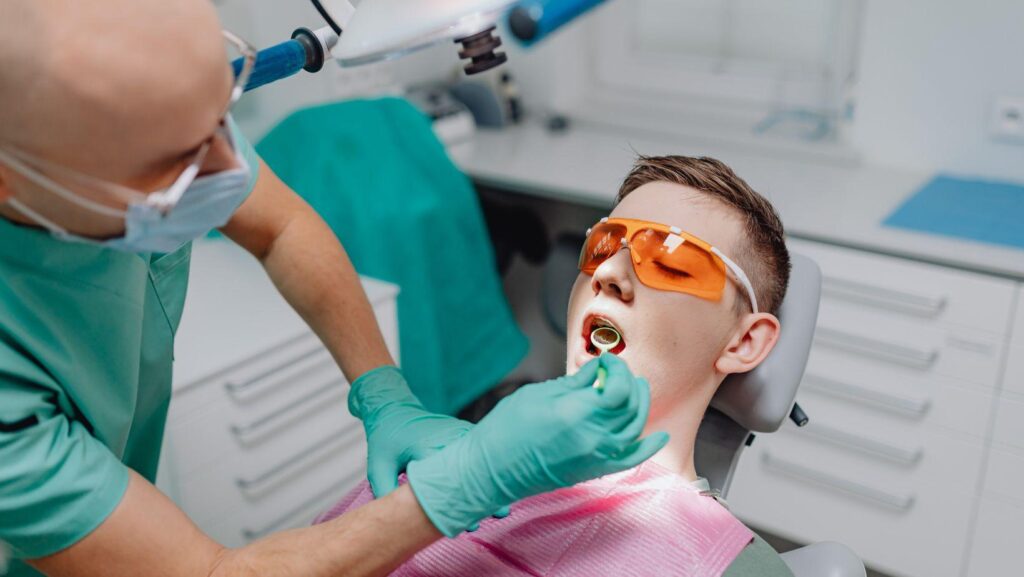
Nitrous oxide fits most anxious patients getting routine work done, since it wears off within minutes and lets you drive yourself home the same hour. For a simple filling or cleaning with mild nervousness, nitrous oxide is the right call; for a multi-hour surgical procedure or severe dental phobia, oral or IV sedation earns its place instead. The gap between those two situations is where a lot of unnecessary upselling happens.
Sedation dentistry runs on a real spectrum, from a light gas mask to a monitored IV line, and each level carries its own cost, recovery time, and risk profile. Some offices default to recommending the strongest option because it pays better or fills chair time more predictably. Knowing what each level actually treats helps you tell a legitimate clinical recommendation from a sales pitch.
Choosing the right level of sedation dentistry in Spring Hill, TN comes down to matching the sedation depth to the procedure and to your own anxiety and health history, not to what sounds the most relaxing in a brochure.
How Nitrous, Oral Sedation, and IV Sedation Differ
Each method controls a different depth of relaxation and a different length of effect. Nitrous oxide wears off almost immediately, oral sedation runs on a fixed dose that lasts for hours, and IV sedation can be adjusted in real time throughout a procedure.
|
Criteria |
Nitrous Oxide |
Oral Sedation |
IV Sedation |
|
Onset |
2-5 minutes |
30-60 minutes |
1-3 minutes |
|
Duration after stopping |
5-10 minutes |
4-8 hours |
Adjustable, minutes after stopping |
|
Depth of relaxation |
Light |
Moderate |
Moderate to deep |
|
Can drive yourself home |
Yes |
No |
No |
|
Dose adjustable mid-procedure |
Yes (gas flow) |
No |
Yes |
|
Typical cost |
Lowest |
Mid-range |
Highest |
Nitrous Oxide for Mild Anxiety and Short Visits
Nitrous oxide suits patients who feel a little tense but not fearful, and who are in for something quick like a cleaning, a small filling, or a routine exam. It’s delivered through a nasal mask for the length of the appointment, and you stay fully conscious and responsive the entire time.
The biggest practical advantage is the recovery. Effects clear within 5 to 10 minutes of turning off the gas, so you can drive yourself home and get back to your day without arranging a ride. It’s also the least expensive sedation option, which matters if your dentist offers it as an add-on rather than folding it into the procedure fee.
Oral Sedation for Moderate Anxiety With a Fixed Dose
Oral sedation works for patients whose anxiety goes beyond mild nervousness but who don’t need a monitored IV line. You take a pill before the appointment, typically an hour ahead of time, and it produces a deeper, drowsier state than nitrous oxide.
The tradeoff is control. Once you swallow the dose, the dentist can’t adjust it mid-procedure the way they can with gas flow or an IV drip. Effects last 4 to 8 hours, which means you’ll need someone to drive you home and you’ll lose most of the day to grogginess. Many patients don’t fully remember the procedure afterward, which is a plus for anxiety but worth knowing going in.
IV Sedation for Adjustable, Deeper Relaxation
IV sedation delivers medication directly into the bloodstream, giving the dentist real-time control over how relaxed you are throughout the visit. Unlike oral sedation, the dose can be increased or decreased as the procedure goes on, instead of committing to a single fixed amount taken in advance.
This makes it the right fit for longer, more invasive procedures, severe dental phobia, or patients with a strong gag reflex that makes lighter sedation impractical. It also requires the most monitoring: blood pressure, oxygen levels, and heart rate get tracked throughout, and you’ll need a driver afterward since the grogginess can linger for several hours.
When Is a Higher Level of Sedation Actually Necessary?
A higher sedation level is necessary when the procedure is long or invasive, your anxiety is severe enough to prevent treatment altogether, or a medical condition makes lighter sedation risky. Outside of those situations, nitrous oxide or oral sedation handles most routine and moderately anxious visits without added risk or cost.
Procedure Length, Complexity, and Gag Reflex
Procedure length is one of the clearest, most objective reasons to step up sedation depth. A 20-minute filling rarely justifies IV sedation, but a multi-tooth extraction, full-mouth reconstruction, or implant placement running past 90 minutes often does, since staying still and relaxed that long is difficult for most patients on gas alone.
A pronounced gag reflex is another legitimate driver. If nitrous oxide hasn’t been enough to get through impressions or x-rays in the past, oral or IV sedation can suppress that reflex enough to complete the work safely.
Anxiety, Awareness, and Memory Expectations
Your anxiety level and how much you want to remember the visit should guide the sedation choice as much as the procedure itself. Nitrous oxide keeps you alert and aware, which suits patients who want to stay in control and respond to instructions.
Oral and IV sedation both tend to blur or erase memory of the procedure, which is the point for patients with real dental phobia. If you’ve avoided the dentist for years because of fear rather than pain tolerance, that memory gap is often the deciding factor, not the complexity of the procedure itself.
Medical History, Sleep Apnea, and Medication Risks
Your medical history can rule certain sedation levels in or out regardless of anxiety or procedure type. Sleep apnea, respiratory conditions, and certain heart conditions require closer monitoring, which pushes some patients toward IV sedation, where vitals are tracked continuously, and away from oral sedation, where breathing isn’t observed as closely once the pill takes effect.
Medication interactions matter too. Benzodiazepines used in oral sedation can interact with other prescriptions, and a dentist reviewing your medication list carefully, rather than skipping straight to a recommendation, is a good sign they’re treating your history as relevant.
Signs a Sedation Recommendation May Be an Upsell
A recommendation is worth questioning if it’s proposed before your anxiety level or procedure complexity has actually been discussed. Watch for these patterns:
- IV sedation offered by default for routine cleanings or small fillings
- No explanation of why nitrous oxide or oral sedation wouldn’t be sufficient
- Sedation bundled into the price with no itemized breakdown
- Pressure to decide on the spot, without time to ask questions
- A provider who can’t clearly describe the monitoring involved for the level they’re suggesting
None of these guarantee bad intent, but they’re worth a direct follow-up question before agreeing.
Questions to Ask Before Agreeing to Sedation
Before agreeing to any sedation level, ask what specifically about your case requires it. A provider should be able to point to the procedure length, your anxiety history, or a medical factor, not just recommend the option that generates the highest fee.
Useful questions include:
- What happens during this procedure without sedation, or with a lighter option?
- What’s the cost difference between nitrous, oral, and IV for this specific visit?
- Who monitors me during the procedure, and what are they watching for?
- How long will recovery take, and do I need someone to drive me?
- Have you sedated patients with my medical history before, and how did you adjust for it?
Clear, specific answers are a good sign. Vague reassurance is not.
Match the Sedation Level to Your Real Needs
Nitrous oxide covers routine visits and mild nervousness, oral sedation covers moderate anxiety when you want to stay off an IV, and IV sedation covers long or complex procedures and severe phobia. The right choice comes from your procedure length, anxiety level, and medical history, weighed together rather than picked from a menu of what sounds most comfortable.
If a recommendation skips past those factors and goes straight to the most expensive option, ask the direct questions above before agreeing. A provider confident in their reasoning will welcome them.