
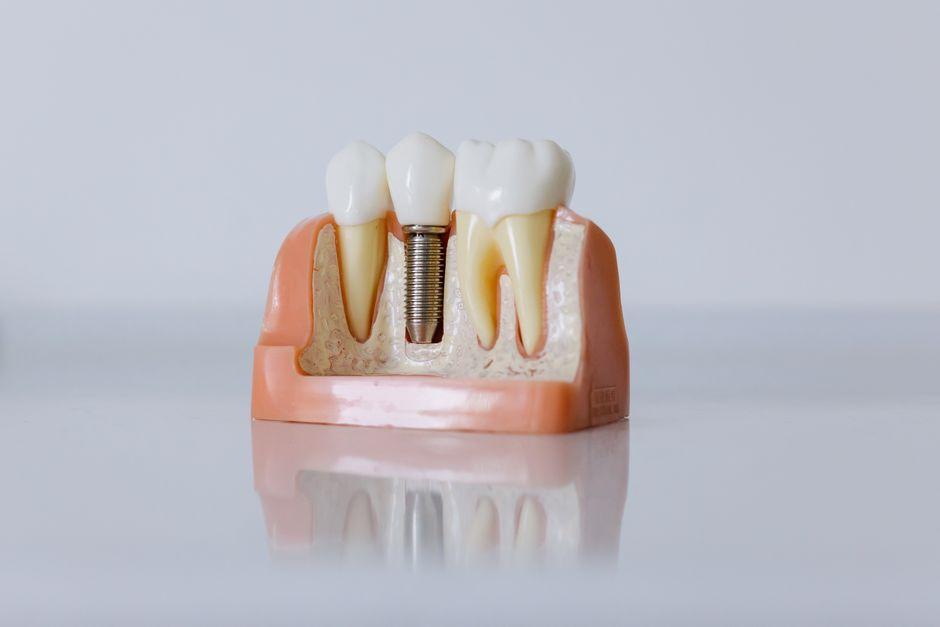
The advent of transformative dental solutions such as all-on-4 dental implants has revolutionised the field of restorative dentistry, offering patients who have suffered tooth loss a promising alternative to traditional dentures. This pioneering method allows for the restoration of an entire arch of teeth using just four strategically placed implants, making it a game-changer in both dental aesthetics and functionality. For those exploring options for full-arch tooth replacement, all on 4 dental implants can provide a stable and functional solution tailored to individual dental needs.
Understanding All-on-4 Dental Implant Technology
All-on-4 dental implants serve as a robust solution for those missing most or all of their teeth in a single arch. This technique employs a unique approach: instead of placing one implant per tooth, the dentist installs four implants in the jawbone to support a full arch of teeth. The back implants are tilted at an angle to avoid the sinus cavities in the upper jaw or the nerve canal in the lower jaw, facilitating a more efficient load distribution.
The Benefits of Choosing All-on-4
One of the most significant advantages of choosing all-on-4 implants is the minimised need for bone grafting. Traditional implants can require extensive bone grafts, particularly if the jawbone has deteriorated due to tooth loss. All-on-4’s design, utilising the natural strength of the jawbone, often circumvents this requirement, allowing patients to save time and avoid additional surgical procedures.
Patients benefit from a quicker turnaround with this method compared to traditional implants. In many cases, a temporary set of prosthetic teeth can be attached to the implants on the same day as the surgery, which not only restores function almost immediately but also significantly boosts the patient’s self-esteem.
The Procedure: A Step-by-Step Overview
The all-on-4 procedure begins with comprehensive diagnostics including 3D scans and digital X-rays, enabling precise mapping of the jawbone structure. This pre-planning is critical to determine the ideal placement for the implants, ensuring optimal support and longevity.
Once the surgical plan is set, the procedure usually involves sedation to ensure patient comfort. The dental surgeon makes incisions in the gums, drills into the jawbone, and positions the titanium implants. After placement, a temporary set of teeth can often be attached the same day.
During the healing period, which typically lasts a few months, the titanium implants fuse, or osseointegrate, with the jawbone, establishing a stable and permanent foundation for the new teeth. Once healing is complete, the patient receives a customised set of permanent prosthetic teeth, designed to mimic the appearance and function of natural teeth.
Who Can Benefit from All-on-4?
All-on-4 implants are particularly suitable for individuals who have lost multiple teeth and are seeking a long-term solution that provides both aesthetic and functional benefits. It is also an appealing option for those who struggle with the fit and feel of traditional dentures, offering a more natural solution without the need for adhesives.
However, like any medical procedure, the suitability of all-on-4 must be evaluated on a case-by-case basis. Factors such as the density and health of the jawbone, the patient’s overall health, and their oral hygiene practices all play a pivotal role in the decision-making process. Consulting with a dental professional is essential to determine whether this innovative treatment aligns with an individual’s oral health needs and lifestyle.

Overcoming Common Concerns
Despite the numerous advantages, some patients may have reservations about undergoing the all-on-4 procedure. Common concerns include the fear of surgery, potential pain, or the cost of treatment. Patients must discuss these worries openly with their dental professionals. Pain is meticulously managed with anaesthesia and post-operative medications, and while the upfront cost can be significant, the long-term benefits and reduced need for future dental work often justify the investment.
Moreover, the durability of all-on-4 implants significantly outweighs the recurring costs associated with traditional dentures, which can require frequent adjustments and replacements. The permanence and realism of implants also contribute to an enhanced quality of life, making it a worthwhile consideration.
Longevity and Maintenance
The longevity of all-on-4 dental implants largely depends on proper oral hygiene and regular dental check-ups. With diligent care, these implants can last for many years, potentially a lifetime. This includes brushing and flossing to prevent gum disease and plaque build-up around the implants. Additionally, regular visits to the dentist are vital to monitor the health of the gums and jawbone, ensuring that the implants remain securely in place.
Compared to dentures, the ease of maintenance and natural comfort of all-on-4 implants provide a significant advantage, contributing to better overall oral health. By nurturing these aspects, patients can preserve the functionality and aesthetic appeal of their implants, enhancing their long-term oral health satisfaction.
Embracing a New Era of Dental Restoration
In the vast realm of dental restoration, the all-on-4 technique signifies a paradigm shift. It represents an intersection where cutting-edge scientific advancement meets practical restoration, offering patients a sustainable and aesthetically superior solution. Embracing this innovation allows individuals to transcend the limitations of conventional methods, experiencing a renewed sense of confidence and improved quality of life.
Aligning with the growing desire for effective and modern solutions, all-on-4 dental implants showcase the potential of progressive dentistry, setting a benchmark for future developments in the realm of dental care. For those exploring options for restorative dental treatment, this technique stands as a testament to how far dental solutions have come, charting a course towards a future where optimal oral health is within reach for many.