
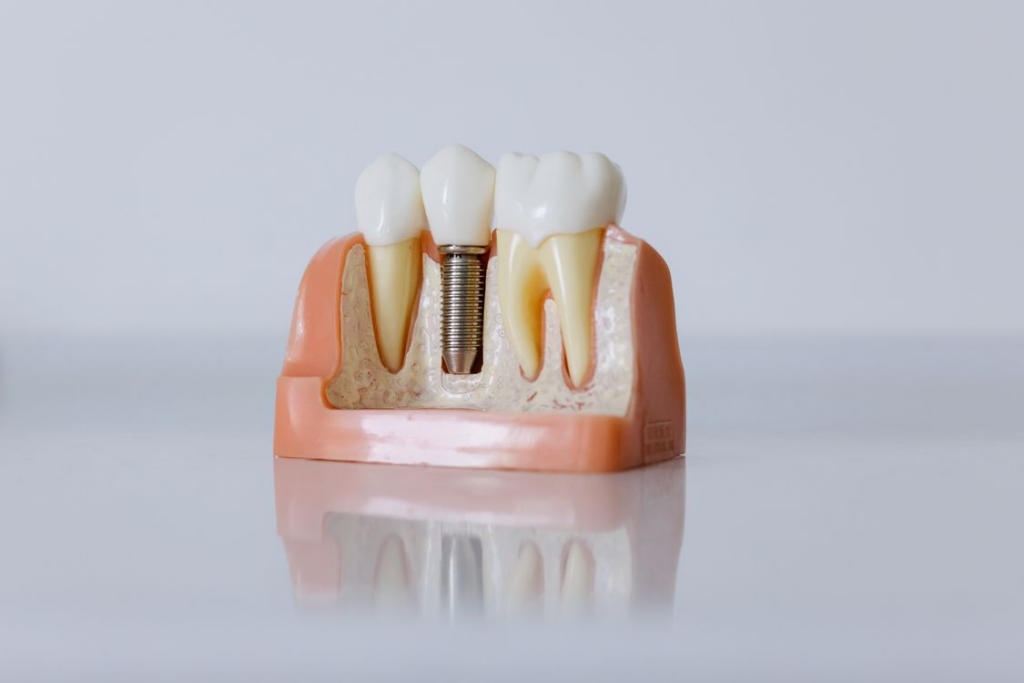
Replacing a missing tooth involves more than restoring appearance. Gaps left by missing teeth can affect chewing, speech, and the alignment of surrounding teeth over time. Dental implants are one of several treatment options used to replace missing teeth while supporting everyday oral function.
For individuals researching dental implants in Singapore, understanding the different stages of treatment can provide a clearer picture of what to expect before, during, and after the procedure.
Why Missing Teeth Should Be Replaced
Missing teeth can change the way the upper and lower teeth come together when biting. Over time, neighbouring teeth may gradually shift into the empty space, which can affect bite alignment and make oral hygiene more challenging.
Replacing missing teeth may help restore chewing function, support speech, and maintain the natural spacing of surrounding teeth. Dentists assess each patient’s oral health before recommending the most appropriate tooth replacement option.
The Initial Consultation and Oral Assessment
Dental implant treatment begins with a comprehensive consultation. During this appointment, the dentist examines the teeth, gums, and jaw to evaluate overall oral health and determine whether implant treatment is suitable.
Diagnostic tools such as digital X-rays or three-dimensional scans may be used to assess bone volume, identify important anatomical structures, and assist with treatment planning. The patient’s medical history and oral health condition are also reviewed before proceeding.
Developing a Personalised Treatment Plan
Every implant case is different. The number of missing teeth, the condition of the jawbone, and the health of the surrounding gums all influence the recommended treatment approach.
Some patients may require additional procedures before implant placement, such as tooth extraction or bone grafting, to create a suitable foundation for the implant. Treatment planning helps ensure that each stage is carried out according to the patient’s individual clinical needs.
Implant Placement and Healing
During the implant procedure, a titanium implant is carefully placed into the jawbone under local anaesthesia. Following placement, the implant is left to heal while it gradually integrates with the surrounding bone through a natural process known as osseointegration.
The healing period varies between patients and depends on factors such as bone quality, overall health, and whether additional procedures were performed before implant placement.
Restoring the Missing Tooth
Once the implant has integrated successfully with the jawbone, an abutment is attached to connect the implant with the final restoration. A custom-made dental crown, bridge, or denture is then secured to the implant, depending on the patient’s treatment plan.
The restoration is designed to fit comfortably with the surrounding teeth while supporting normal biting and chewing function.
Caring for Dental Implants After Treatment
Daily oral hygiene remains an important part of maintaining dental implants. Brushing, flossing, and regular dental examinations help keep the surrounding gums healthy and allow dentists to monitor the condition of both the implant and the restoration.
Routine follow-up appointments also provide an opportunity to assess healing, identify any changes early, and recommend appropriate maintenance where necessary.

Dental Implants Compared With Other Tooth Replacement Options
Dental implants are one option for replacing missing teeth. Other treatments include dental bridges and removable dentures, each with different clinical considerations.
Bridges are supported by neighbouring teeth, while dentures are removable appliances. Dental implants are placed directly into the jawbone and function independently of adjacent teeth. Dentists recommend the most appropriate treatment based on the patient’s oral health, treatment goals, and clinical assessment.
Questions Patients May Discuss During a Consultation
Before beginning treatment, patients often discuss several aspects of dental implant care with their dentist. These conversations may include the number of implants required, the expected treatment timeline, healing time, maintenance requirements, and whether additional procedures are needed before implant placement.
Understanding these factors allows patients to make informed decisions and prepare for each stage of treatment.
Conclusion
Dental implant treatment is a carefully planned process that begins with a detailed assessment and continues through implant placement, restoration, and ongoing maintenance. Each stage is tailored to the patient’s oral health needs and treatment goals. By understanding how dental implants are planned and performed, patients can have informed discussions with their dentist and better prepare for restoring missing teeth and supporting long-term oral health.