
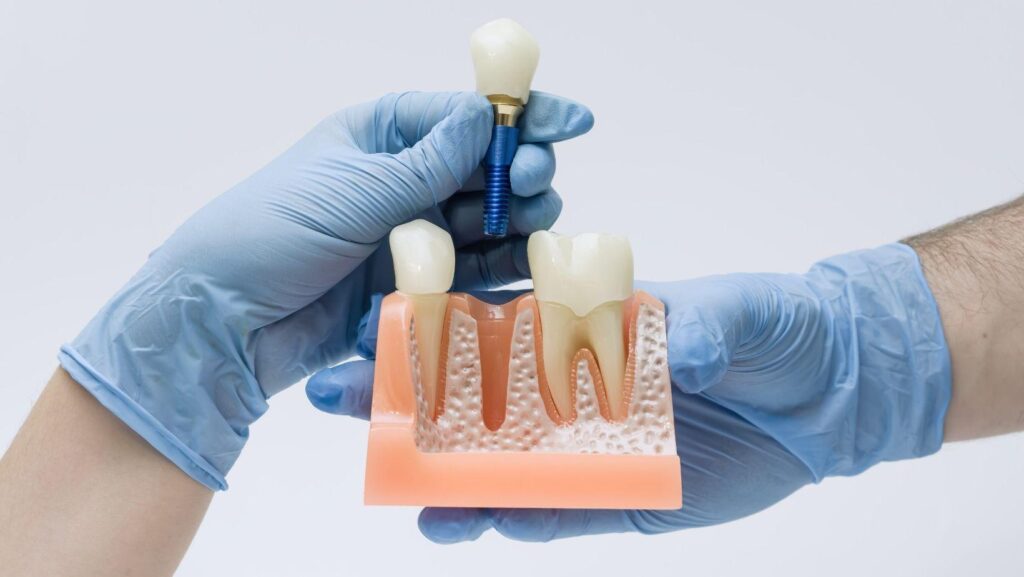
Zirconia dental implants are tooth-replacement devices made from zirconium dioxide, a strong ceramic that provides a metal-free alternative to titanium. Their tooth-colored appearance can support natural-looking results, especially when gum tissue is thin or visible around the implant. If you’re researching zirconia dental implants in Delray Beach, it helps to understand how this metal-free option compares with traditional titanium implants before your consultation.
You will learn how zirconia implants work, how their one-piece or two-piece designs affect treatment, and how their benefits compare with their limitations. You will also see how your bone health, oral hygiene, treatment goals, and aftercare needs influence candidacy and long-term success.
Zirconia Implant Materials And Design
Zirconia implants use high-strength zirconium dioxide, a ceramic material that combines a tooth-colored appearance with compatibility for oral tissues. Their design may use one connected component or separate implant and abutment parts, affecting placement, restoration, and maintenance.
Ceramic Composition And Biocompatibility
Zirconia dental implants consist primarily of zirconium dioxide (ZrO₂), a ceramic stabilized with small amounts of other oxides to improve strength and resistance to cracking. Manufacturers shape the material into the implant body and apply a specially engineered surface that supports bone integration.
Because zirconia contains no metal, it may suit you if you want a metal-free restoration or have concerns about metal exposure. Its white color can reduce the dark appearance that sometimes shows through thin gum tissue, particularly around front teeth.
Zirconia also resists corrosion and does not conduct electricity or heat like metal. Research supports zirconia as a biocompatible material, but titanium has a longer record of clinical use and more extensive long-term evidence.
One-Piece And Two-Piece Systems
A one-piece zirconia implant combines the implant body and abutment into one continuous component. This design removes the implant-abutment connection, but the exposed abutment must remain positioned correctly while your bone heals.
Your dentist may use a temporary restoration to protect it during this stage. A two-piece system separates the implant body from the abutment.
After the implant integrates with your jawbone, your dentist connects the abutment and attaches the crown. This approach provides greater flexibility for implant positioning, soft-tissue management, and restoration.
|
Design |
Main feature |
Practical consideration |
|
One-piece |
Integrated implant and abutment |
Less component flexibility during healing |
|
Two-piece |
Separate implant and abutment |
More restorative and surgical flexibility |
Your dentist selects the design according to your bone volume, gum characteristics, tooth location, bite forces, and restoration plan.
Benefits And Limitations Of Metal-Free Treatment
Zirconia implants can provide a natural-looking, metal-free option with good tissue compatibility. You should also weigh their material-specific design limits and the shorter history of clinical evidence compared with titanium.
Aesthetic And Tissue Considerations
Zirconia is tooth-colored, so it can reduce the risk of a grayish appearance showing through thin or receding gum tissue. This benefit matters most when you replace a front tooth or have a high smile line.
Its ceramic surface also resists corrosion and may limit plaque retention, although careful brushing, professional cleanings, and regular checkups remain necessary. Most patients tolerate zirconia well, and studies generally describe favorable soft-tissue responses.
However, zirconia does not eliminate risks such as infection, gum recession, bone loss, or implant failure. Your gum thickness, bone volume, bite, oral hygiene, and smoking status often influence the result more than color alone.
Strength, Osseointegration, And Clinical Evidence
Modern zirconia implants use high-strength zirconium dioxide and can integrate with the jawbone through osseointegration. Clinical studies report promising short- and medium-term survival, with results approaching those of titanium in selected cases.
Titanium still has the longest record of research, the widest range of implant designs, and the strongest evidence for complex treatment situations. Zirconia can be less forgiving of excessive bending forces, improper placement, or heavy grinding.
Some systems use a one-piece design, which may restrict placement and restoration options; two-piece systems offer greater flexibility but require careful connection design. Long-term evidence continues to develop, so your dentist should assess your bite, bone, restoration needs, and the specific implant system before recommending treatment.
Candidacy, Placement, And Aftercare
Your suitability depends on bone volume, gum health, general health, and your ability to maintain daily oral hygiene. Placement usually involves imaging, surgical insertion, a healing period, and restoration with a crown, bridge, or denture.
Who May Be A Suitable Candidate
You may qualify for a zirconia implant if you have a missing tooth, sufficient jawbone, and healthy gums. Your dentist will assess your bite, remaining teeth, medical history, medications, and smoking status before recommending treatment.
Zirconia can suit you if you prefer a metal-free implant or want a tooth-colored material, particularly when the implant sits near the front of your mouth. However, zirconia does not automatically provide better results than titanium for every patient.
Your dentist must consider the implant design, available bone, surgical access, and the clinician’s experience. Untreated gum disease, uncontrolled diabetes, heavy smoking, poor oral hygiene, or inadequate bone may delay treatment.
You might need periodontal care, smoking cessation, bone grafting, or medical clearance first.
Treatment Process And Healing
Your treatment typically begins with an examination and three-dimensional imaging. The dentist may remove a damaged tooth, preserve the socket, or perform bone grafting before placing the implant.
During surgery, the dentist inserts the zirconia implant into the jawbone and may attach a temporary restoration when stability allows. The bone must integrate with the implant before you receive the final crown or other prosthesis.
Healing often takes several months, but the timeline varies with bone quality, grafting, implant position, and your health. Follow your post-operative instructions carefully.
Eat softer foods while the site heals, avoid smoking, keep the area clean as directed, and attend scheduled reviews. Contact your dentist if you develop worsening pain, swelling, bleeding, fever, or movement around the implant.
Long-Term Maintenance Requirements
You should brush twice daily with a soft-bristled toothbrush. Clean between your teeth with floss, interdental brushes, or another tool recommended for your restoration.
Clean around the crown and gumline carefully because plaque can cause inflammation around the implant.
Schedule regular dental examinations and professional cleanings. Your dentist will check the implant, crown, bite, gums, and surrounding bone.
Avoid using the implant to open packages or chew very hard objects. If you grind your teeth, ask whether a custom night guard could protect the implant and opposing teeth.
Report bleeding, persistent tenderness, swelling, bad taste, or looseness promptly.