
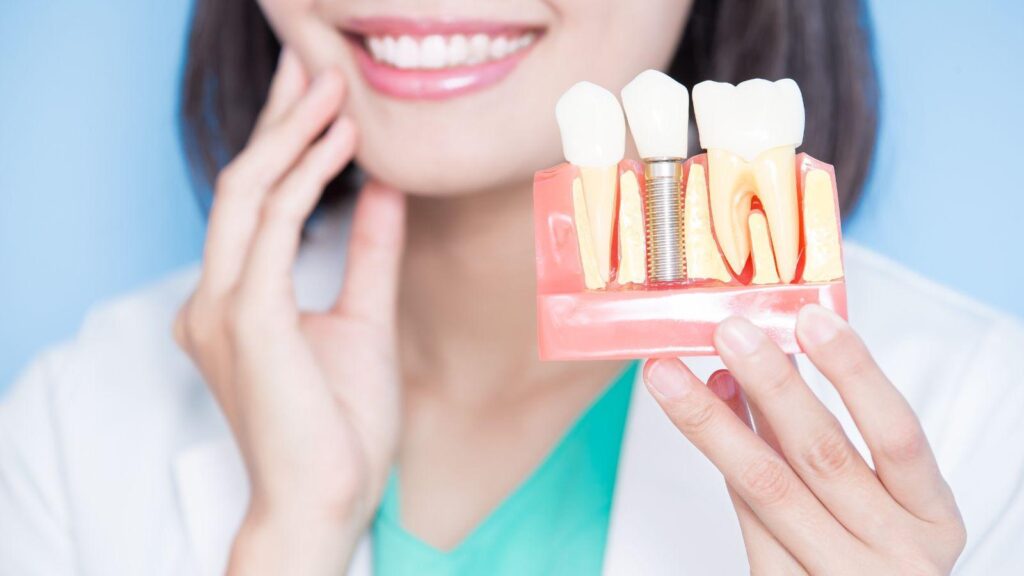
A same-day dental crown uses digital scanning, computer-aided design, and in-office milling to restore your tooth during one appointment. Instead of relying on a physical impression and an outside laboratory, your dentist can design and produce the crown on-site. Practices offering same-day crowns in Anna, TX use this in-office workflow to eliminate the wait for an outside lab.
You can receive a same-day crown after your dentist scans the prepared tooth, designs the restoration digitally, mills it from a ceramic block, and checks its fit before bonding it in place. Each step supports accuracy, comfort, and a natural appearance.
The technology also raises practical questions about materials, durability, cost, and whether your tooth qualifies. Understanding the process helps you compare same-day treatment with a traditional laboratory-made crown.
What Same-Day Crown Technology Does
Same-day crown systems combine digital scanning, computer-guided design, and in-office manufacturing. These steps let your dentist create a customized restoration without sending physical impressions to an outside laboratory.
Digital Intraoral Scanning
Your dentist uses a handheld intraoral scanner to capture detailed images of the prepared tooth and nearby teeth. The scanner records the tooth’s shape, bite relationship, and surrounding gum contours as a three-dimensional digital model.
Unlike traditional impression material, digital scanning does not require a tray filled with setting material. It can also help your dentist identify missing data immediately and rescan a specific area before designing the crown.
The scan must accurately capture the tooth preparation, including its margins. Your dentist may need to control moisture, move the cheek or tongue, and manage bleeding so the software can distinguish the tooth from soft tissue.
A clean, complete scan supports a better-fitting restoration.
Computer-Aided Design
Design software uses the scan to create a virtual crown. Your dentist defines the crown’s edges, adjusts its thickness, shapes its contact points with neighboring teeth, and checks how it meets the opposing teeth during biting and chewing.
The software can suggest a basic design, but your dentist makes the clinical decisions. They account for the amount of remaining tooth structure, available space, bite forces, appearance, and the selected ceramic material.
You can often review the proposed shape before manufacturing begins. The design may require adjustments if the crown appears too high, contacts adjacent teeth too tightly, or does not follow the natural contours of your smile.
In-Office Milling Systems
After approval, the design transfers to an in-office milling unit. The machine carves the crown from a solid ceramic block using computer-controlled burs.
Milling commonly takes several minutes, although the exact time depends on the system, restoration design, and material. The crown may require additional steps after milling.
Your dentist can refine its edges, polish or stain the surface, and place it in a furnace when the material requires crystallization or firing. These steps affect the crown’s final strength, color, and surface finish.
Your dentist then checks the restoration on your tooth and in your bite. They may make minor adjustments before bonding it permanently with dental cement or adhesive.
The One-Visit Treatment Process
A same-day crown combines digital imaging, computer-aided design, in-office milling, and permanent bonding during one appointment. Your dentist completes each stage in sequence, although the exact timing depends on the tooth’s condition, the crown material, and the practice’s equipment.
Tooth Preparation And Scan Capture
Your dentist examines the tooth and removes decay, damaged enamel, and any old filling material. The dentist then reshapes the tooth to create enough space and a stable margin for the crown.
If the tooth needs additional support, your dentist may rebuild part of it with a bonded filling material. An intraoral scanner captures detailed three-dimensional images of the prepared tooth, nearby teeth, and your bite.
The dentist checks the digital model for missing areas, inaccurate margins, or movement before using it for the crown design.
Designing And Milling The Restoration
Your dentist uses CAD software to design the crown based on the scan. The software helps match the restoration to your tooth’s shape, contact points, bite, and surrounding teeth.
Your dentist reviews and adjusts the design because the software does not replace clinical judgment. The completed design goes to an in-office milling unit, which shapes a ceramic or other approved restorative block with rotating instruments.
Milling commonly takes part of the appointment, depending on the crown’s size, material, and design complexity. The crown may then receive polishing, staining, glazing, or furnace processing to improve its appearance and surface finish.
Fitting, Bonding, And Final Adjustments
Your dentist places the crown on the prepared tooth and checks its marginal fit, contacts with neighboring teeth, color, and effect on your bite. You may need to bite on marking paper so the dentist can identify high areas.
The dentist makes any necessary adjustments before cementation. After cleaning and conditioning the tooth and crown, the dentist applies dental cement or adhesive and seats the restoration.
The dentist removes excess cement, verifies the bite again, and may use a curing light when the bonding system requires it. You should follow the practice’s instructions about eating, chewing, and oral hygiene after placement.
Materials, Accuracy, And Durability
Your dentist may select lithium disilicate ceramic or zirconia based on the tooth’s location, bite forces, appearance, and remaining tooth structure. Digital scanning, computer-aided design, and in-office milling help produce a restoration that fits your prepared tooth and supports a stable bite.
Ceramic And Zirconia Options
Lithium disilicate ceramic offers a natural, translucent appearance that often suits visible front teeth and some premolars. Your dentist can stain, glaze, or polish it to match nearby teeth.
It provides good strength, but heavy clenching or grinding may affect its suitability. Zirconia withstands substantial chewing forces and may suit molars, patients who grind their teeth, or restorations with limited space.
Newer zirconia types provide improved translucency, although they may look less lifelike than highly translucent glass ceramics in some situations. Your dentist selects the material after examining your bite, tooth position, cosmetic goals, and available enamel.
Same-day systems do not use one universal material; each ceramic block has specific strength, thickness, and bonding requirements.
Precision And Bite Alignment
A digital scanner captures the prepared tooth and surrounding teeth without conventional impression material. CAD software uses this information to design the crown, including its contacts with neighboring teeth and its chewing surfaces.
The milling unit then shapes the restoration from a prefabricated ceramic block. Your dentist checks the crown inside your mouth before bonding it permanently.
They assess the margins, color, contact points, and bite with clinical examination and bite-marking material. Minor adjustments may involve polishing or removing small amounts of ceramic.
Digital accuracy improves consistency, but it does not replace clinical judgment. Moisture control, tooth preparation, scan quality, milling calibration, and proper bonding all affect the final fit.
Expected Lifespan And Care
A same-day crown can last many years, but its lifespan depends on material, fit, oral hygiene, diet, bite forces, and the health of the supporting tooth. Published survival rates vary by study and clinical situation, so your dentist should provide a material-specific estimate.
Protect the crown by brushing twice daily with fluoride toothpaste, cleaning between your teeth, and attending dental examinations. Avoid using your teeth to open packages or regularly chewing hard objects such as ice.
If you clench or grind, a professionally fitted night guard may reduce stress on the restoration. Contact your dentist if the crown feels loose, causes persistent sensitivity, changes your bite, chips, or traps food.
Prompt evaluation can prevent damage to the crown or underlying tooth.
When Same-Day Crowns Are Appropriate
Same-day crowns work best when your tooth has enough healthy structure to support a digitally designed restoration and the treatment can remain within the dentist’s clinical control. Extensive damage, complex bite requirements, or unusual cosmetic demands may make a laboratory-made crown more suitable.
Suitable Dental Conditions
You may qualify for a same-day crown when you have:
- A cracked or weakened tooth: A crown can protect a tooth that has lost substantial structure but still has a stable foundation.
- A large filling: Replacing a failing or extensive filling with a crown can reduce the risk of further fracture.
- A root-canal-treated tooth: Your dentist may recommend a crown after root canal treatment when the remaining tooth structure needs reinforcement.
- A worn or misshapen tooth: A ceramic crown can restore shape, chewing function, and appearance.
- A damaged existing crown: Your dentist may replace it during one visit if the tooth underneath remains suitable.
Your dentist will examine the tooth, gums, bite, and surrounding bone. Digital scanning can capture the prepared tooth accurately, but you still need enough enamel or dentin for secure retention and a healthy gum environment for predictable placement.
Cases That May Require A Laboratory Crown
A laboratory crown may provide better results when your case requires specialized design or materials. This can apply if you need a multi-unit bridge or several crowns that must match precisely.
A laboratory crown is also useful for a restoration involving a complex bite relationship. Your dentist may recommend laboratory fabrication when you need a high-strength material, such as certain zirconia or metal-based options, that the practice does not mill in-house.
Severe tooth damage can require a post, core buildup, or additional gum treatment before the crown is made. Laboratory technicians can provide greater customization for highly visible front teeth, including layered ceramics and detailed color characterization.
Complex contours may also be achieved through laboratory fabrication. If you grind your teeth heavily, have limited space, or need extensive cosmetic rehabilitation, your dentist may choose a laboratory workflow after evaluating your bite and long-term needs.