
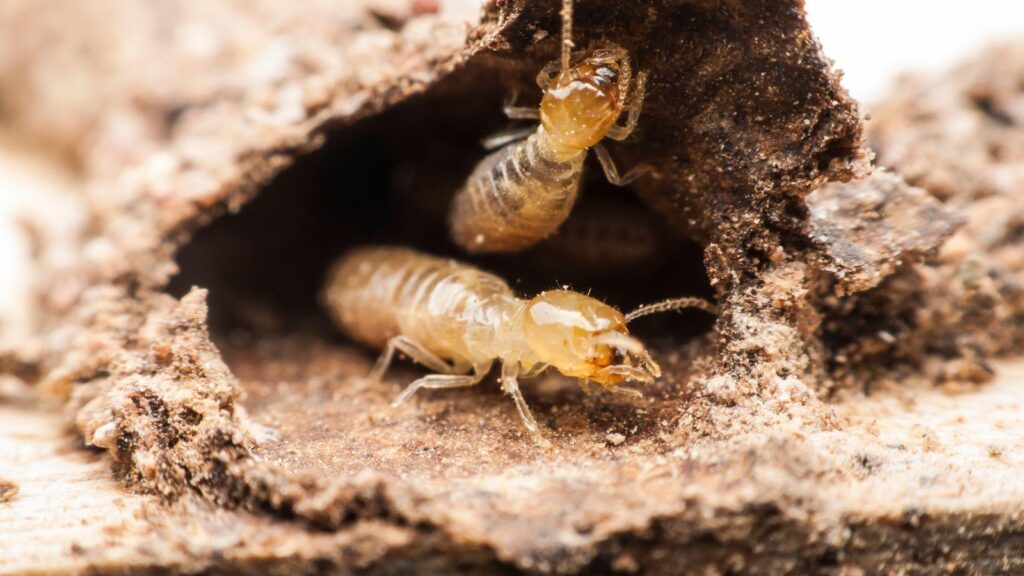
Termite activity tends to spike during warmer, humid months, when swarms leave established colonies to start new ones. If your home has even minor moisture issues or wood-to-soil contact, that makes it an easy target. The good news is that most termite damage is preventable with a bit of seasonal prep.
Start With Moisture Control
Termites are drawn to damp wood, so anything that keeps your home's foundation and crawl space dry works in your favor. Fix leaking gutters, redirect downspouts away from the foundation, and check that crawl spaces have proper ventilation. Standing water near the house, even from a poorly graded yard, can be enough to attract a colony.
Eliminate Wood-to-Soil Contact
Any wood touching soil directly, fence posts, deck supports, firewood stacked against the house, gives termites a direct highway into your structure. Keep firewood at least 20 feet from the house and elevated off the ground, and consider concrete or metal supports for decks and fences where possible.
Inspect Your Foundation for Mud Tubes
Subterranean termites build pencil-thin mud tubes along foundation walls to travel between soil and wood while staying protected from open air. Walking the perimeter of your home once a season and checking for these tubes is one of the simplest DIY checks you can do.
Seal Cracks and Gaps
Small cracks in your foundation, gaps around utility lines, and openings around windows and doors are all potential entry points. Sealing these not only helps with termites but also cuts down on other pest entry points at the same time.
Stock Up on Prevention Tools Before Season Hits
Even with careful DIY prevention, termite colonies can be active for a long time before visible damage appears, since much of their work happens inside walls and under floors. Having monitoring stakes or eco-friendly deterrent products on hand before swarm season starts, available through pest control retailers like PestAside, makes it easier to act the moment you spot mud tubes or discarded wings instead of scrambling afterward.
Don't Wait for Visible Damage
By the time you see sagging floors, hollow-sounding wood, or blistered paint, a colony has often been active for a year or more. Getting ahead of termite season with moisture control, a perimeter check each season, and prompt sealing of vulnerable spots is far cheaper and less stressful than dealing with structural repairs later. For anything beyond early-stage prevention, a licensed termite inspector is still the right call, since DIY tools are best suited to prevention and monitoring, not treating an active, established colony.