
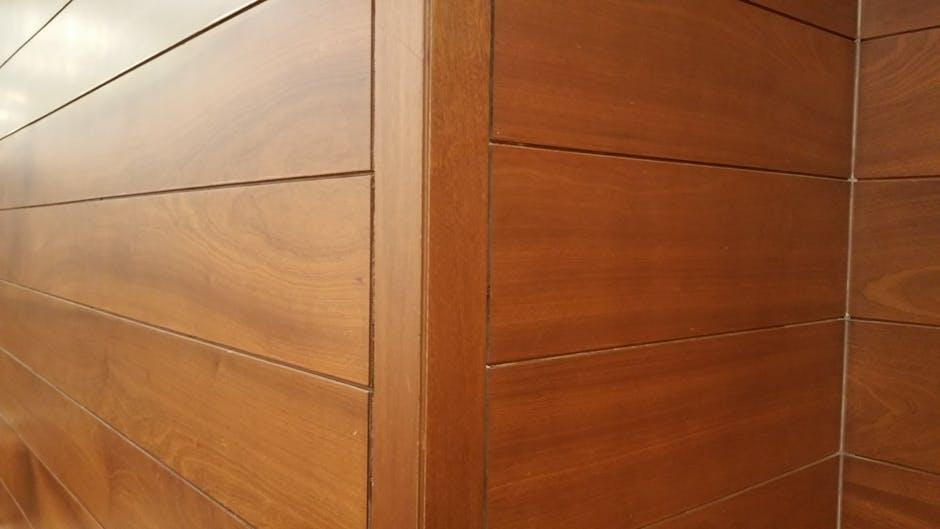
In interior design, combining functionality with aesthetics can often seem like a daunting task. However, decorative wood acoustic panels have emerged as a seamless solution for both sound absorption and visual appeal. By mitigating noise while enhancing the look of any space, these panels present an innovative approach to modern interior acoustics.
Understanding Acoustic Needs in Interior Spaces
Addressing acoustics is crucial not only in performance venues but also in settings such as offices, homes, and public spaces. Sound quality affects communication, concentration, and comfort, making it a fundamental aspect of environmental design. Hardwood panels provide a renewable, durable, and stylish option to soften harsh sounds and suppress echoes.
Natural Material for Optimal Sound Absorption
Wood is inherently capable of diffusing sound waves, making it an ideal choice for acoustic panel construction. The natural structure of wood helps reduce reflections and reverberation. This biological makeup allows wood panels to offer superior acoustic properties, fostering a tranquil environment conducive to productivity and relaxation.
Integration into Modern Design
The blend of style and function is essential in modern design. Acoustic panels made of wood are designed to integrate effortlessly with existing décor. Available in various finishes and textures, they enable the creation of visually striking patterns on walls or ceilings, adding an element of sophisticated elegance to any design scheme.
Versatility in Installation and Use
Wooden acoustic panels can be tailored to suit various dimensions and settings, making them a versatile option for diverse applications. Whether installed in large auditoriums or intimate home theaters, the flexibility in design and application allows them to cater to different acoustical requirements and aesthetic preferences.
Environmental Impact and Sustainability
Opting for wood-based acoustic solutions also aligns with sustainable design practices. Made from renewable resources, wood panels have a lower environmental impact compared to synthetic alternatives. Furthermore, using responsibly sourced timber ensures that these panels contribute to environmental conservation efforts.
Maintenance and Longevity
Wood’s durability is another compelling reason for its selection in creating acoustic panels. With proper care, these panels can maintain their integrity and appearance over time. Routine dusting and occasional cleaning suffice to keep them in excellent condition, making them a low-maintenance option in contrast to other architectural materials.
Enhancing Workplaces with Acoustic Panels
In professional settings, managing noise levels is key to maintaining a productive atmosphere. Acoustic panels reduce ambient noise, which improves focus and clarity in open-plan offices or meeting rooms. Thus, the discrete yet effective implementation of these panels enhances employee well-being and precision in audio-driven tasks.
Acoustic Panels in Residential Spaces
Beyond commercial use, wooden acoustic panels have significant applications within residential spaces. They can transform living rooms, bedrooms, and home offices into peaceful retreats by minimizing the intrusion of external noise and maximizing audio quality for home entertainment systems.
Innovative Trends in Acoustic Design
The evolving focus on wellness and the quality of home and workplace environments has fueled innovations in acoustic design. Manufacturers are now offering more creative and bespoke options in acoustic wood panel design, meeting the demand for unique aesthetic needs and optimal sound regulation.
Industry Demand and Market Growth
The increasing awareness of the importance of sound control in various environments correlates with a growing market for wooden acoustic panels. The demand for effective noise-reduction solutions is seeing a steady rise, driven by technological advancements in manufacturing and an emphasis on sustainable building practices.
Creative Configurations and Possibilities
When it comes to configuration, the choice is vast. Acoustic panels can be mounted vertically, horizontally, or arranged in creative formations to achieve not only functional but also artistic goals. This adaptability aids interior designers and architects in creating distinct acoustic landscapes tailored to specific environments.

Key Considerations in Panel Selection
When selecting acoustic panels, consider factors such as room size, sound quality requirements, and desired aesthetic effects. The density and type of wood, along with the finish, affect the panel’s performance. Consulting experts in acoustical engineering and design can ensure optimal outcomes for complex projects.
Advancements in Acoustic Panel Technology
Recent developments have led to the creation of hybrid panels, which incorporate additional materials to further enhance their sound absorption properties. These panels use other substances like fabrics or foam layers alongside wood to achieve the desired acoustic results in challenging environments.
Aesthetic and Acoustical Transformation
By offering aesthetic appeal and functional acoustics in one package, wooden acoustic panels stand out as a noteworthy choice in contemporary design. Whether enriching an office, enhancing a home’s interior, or perfecting a commercial venue, these panels redefine our understanding of architectural balance and auditory comfort.