
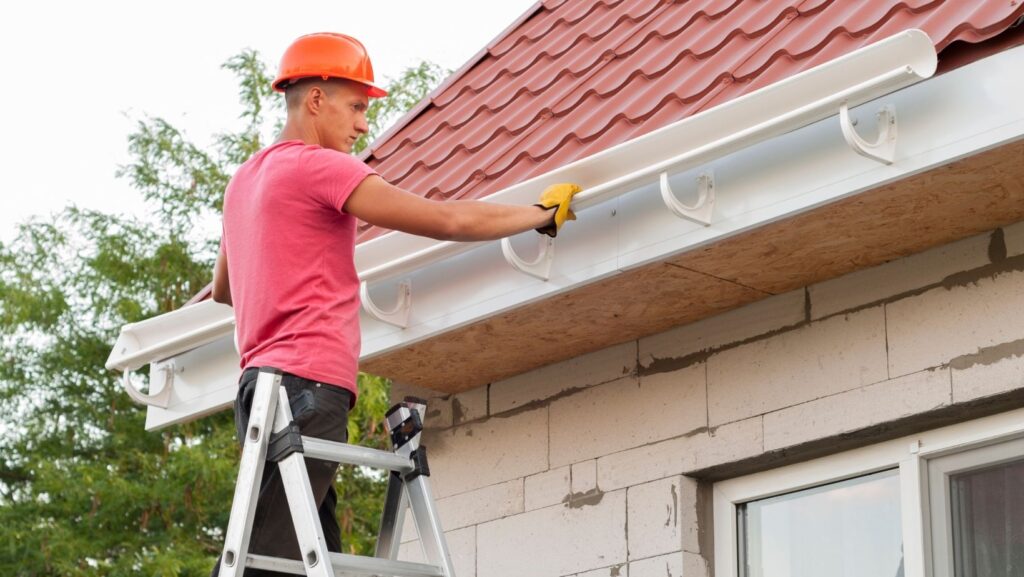
Gutter systems play a critical role in protecting your home from water damage. Their primary purpose is to collect rainwater from the roof and divert it safely away from the structure, and when they work as intended, water flows through the gutters, down the downspouts, and out away from the home’s foundation.
However, when gutter drainage is poor, water can begin to accumulate in areas where it doesn’t belong, which, over time, can lead to hidden structural damage that may be costly to repair. It is important for homeowners to understand the importance of maintaining a properly functioning system.
Water Begins to Damage the Roofline
Poor gutter drainage frequently begins with clogs, improper slope, or blocked downspouts. When water can’t flow freely, it begins to build up inside of the gutter system, which may cause it to overflow or back up towards the roofline. This excess moisture can soak wooden trim, soffits, and fascia – making them rot or weaken over time. Because these areas aren’t always easily visible from the ground, damage may go unnoticed until it becomes severe. In some cases, trapped water can even seep beneath roofing materials, resulting in leaks that affect attic insulation as well as interior ceilings and drywall.
Exterior Walls Can Slowly Absorb Moisture
When gutters overflow due to poor drainage, water generally runs down the exterior walls of the home. Although siding is designed to provide some protection, constant moisture exposure can gradually cause problems. Water that repeatedly flows down siding can penetrate small gaps or seams, allowing moisture to reach the underlying wood structure. This can lead to rot, mold growth, or deterioration of the wall framing, and because the damage occurs behind the siding, homeowners may not realize a problem exists until paint begins to peel, mold appears, or siding starts to warp.
Foundation Damage Can Develop Over Time
Perhaps the most serious consequence of poor gutter drainage occurs at ground level. When downspouts fail to carry water far enough away from the house, rainwater begins to puddle near the foundation. Constant exposure to moisture can cause soil around the foundation to expand and contract. Over time, this movement creates pressure on foundation walls, leading to cracks that allow water to enter basements and crawl spaces.
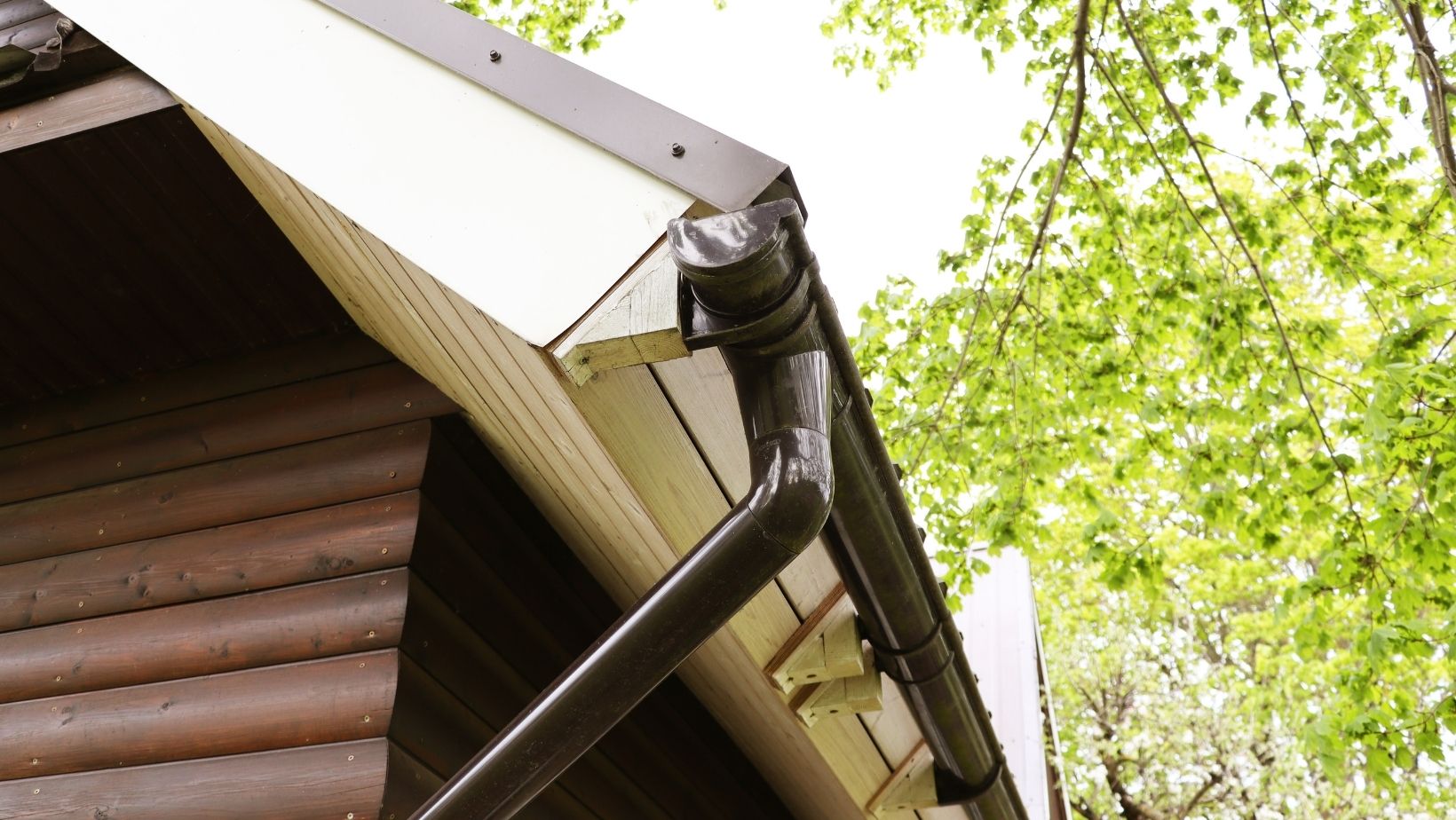
Because foundation damage often develops slowly, it can be difficult to trace back to the gutter system. However, improper water drainage is a major contributing factor to these problems.
Landscaping and Soil Erosion May Signal a Problem
Sometimes, poor gutter drainage first becomes evident in landscaping. Soil erosion, washed out flower beds, or perpetual puddles near the home may indicate that water isn’t being properly redirected. While these signs may not seem like much, they often suggest that large amounts of rainwater are repeatedly collecting around the base of the structure.
Protecting Your Home with Proper Drainage
Regular gutter maintenance is one of the most effective ways to prevent hidden structural damage. Cleaning out gutters, inspecting downspouts, and ensuring water flows away from the home are all ways to help keep gutter drainage systems functioning correctly. When issues are found, addressing them early helps protect your home’s roof, walls, and foundations – preventing small water problems from turning into expensive structural repairs.