

Air fryers are everywhere. Kitchens, social media, cooking blogs, people love them for fast, crispy food with less oil. But a common question keeps coming up: Are air fryers toxic? This article takes a clear, honest look at air fryer safety, materials, and chemicals, with a strong focus on choosing a non-toxic air fryer for your home.
We’ll break everything down in simple English, step by step, so you can decide what’s safe for you and your family.
Understanding How an Air Fryer Works
An air fryer cooks food by circulating hot air at high speed.
It uses:
- A heating element
- A powerful fan
- A cooking basket or tray
The hot air crisps the food, similar to deep frying but without large amounts of oil.
The cooking method itself is not toxic. The real concern comes from the materials used inside the air fryer and what happens when they heat up.
Why People Worry About Toxic Air Fryers
When people ask if air fryers are toxic, they are usually worried about three things:
- Non-stick coatings
- Plastic parts exposed to heat
- Chemicals released during cooking
Let’s look at each one closely.
Non-Stick Coatings and Chemical Risks
Many air fryers use non-stick coatings to prevent food from sticking.
The problem is not all non-stick coatings are the same.
Harmful Chemicals to Watch For
Some low-quality air fryers may contain:
- PTFE (Teflon)
- PFOA
- PFAS (forever chemicals)
When overheated, these coatings can break down and release fumes. Long-term exposure to these chemicals has raised health concerns.
This is why choosing a finest non-toxic air fryer made with safer materials is so important.
What Makes an Air Fryer Non-Toxic?
A non-toxic air fryer is designed to avoid harmful chemical exposure. It usually includes:
- PFOA-free and PFAS-free coatings
- Ceramic or stainless steel interiors
- Minimal plastic near heat sources
- Stable materials that don’t break down at high temperatures
High-end brands now focus heavily on this, responding to growing consumer awareness.
Is Plastic in Air Fryers Dangerous?
Plastic itself is not always bad. The issue is where the plastic is placed.
Safe air fryers:
- Use heat-resistant plastic only on the outer body
- Keep plastic away from the heating chamber
Poorly designed air fryers may allow plastic parts near high heat, which can lead to chemical smells or degradation over time.
A well-built non-toxic air fryer avoids this risk completely.
Do Air Fryers Create Harmful Compounds in Food?
Some people worry about compounds like acrylamide, which can form when starchy foods cook at high temperatures.
Here’s the truth:
- Acrylamide can form in many cooking methods, including baking and frying
- Air fryers usually produce less acrylamide than deep frying
You can further reduce risk by:
- Avoiding overcooking
- Shaking food during cooking
- Using lower temperatures when possible
Used correctly, air fryers are not more toxic than other cooking appliances.

Why Material Quality Matters More Than the Cooking Method
The cooking method of air frying is generally safe.
Material quality is the real deciding factor.
A low-cost air fryer with poor coatings can pose risks.
A well-designed, non-toxic air fryer made with premium materials does not.
This is where brand choice becomes critical.
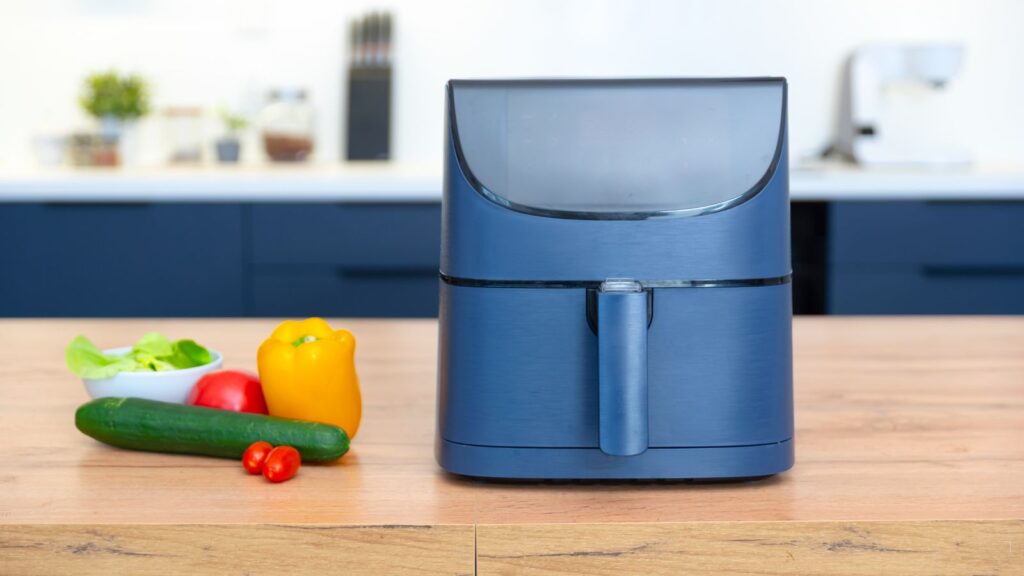
A Safer Choice: Typhur Dome Air Fryer
The Typhur Dome Air Fryer is designed with safety, performance, and long-term use in mind.
Why Typhur Focuses on Non-Toxic Design
Typhur prioritizes:
- Safe cooking surfaces
- High-quality construction
- Materials that remain stable at high heat
This reduces the risk of chemical release and makes everyday cooking safer.
Key Features That Support Non-Toxic Cooking
Here’s what to look for in a non-toxic air fryer, and why models like Typhur stand out:
1. Safer Interior Coating
A high-quality coating resists peeling, cracking, and overheating. This keeps harmful substances out of your food.
2. Strong Heat Control
Consistent temperature control prevents overheating, which protects both food and materials.
3. Thoughtful Design
Good airflow means faster cooking at lower temperatures, reducing chemical stress on surfaces.
How to Use an Air Fryer Safely Step by Step
Even the best non-toxic air fryer should be used correctly. Follow these simple steps:
Step 1: Read the Manual
Always check the recommended temperature and cooking limits.
Step 2: Avoid Overheating
Do not exceed the maximum temperature unless the recipe requires it.
Step 3: Use Safe Utensils
Use silicone or wooden tools to avoid damaging the coating.
Step 4: Clean Gently
Avoid metal scrubbers. A soft sponge protects the cooking surface.
Step 5: Replace When Worn
If you see peeling or damage inside the basket, it’s time to replace the unit.
Common Myths About Toxic Air Fryers
Myth 1: All Air Fryers Are Toxic
False. Only poorly made models with unsafe materials pose risks.
Myth 2: Non-Stick Always Means Dangerous
Not true. Modern non-toxic coatings are much safer than older ones.
Myth 3: Air Fryers Are Worse Than Deep Frying
In reality, air frying often reduces oil use and harmful compounds.
Health Benefits of Using a Non-Toxic Air Fryer
Choosing a non-toxic air fryer can support a healthier lifestyle:
- Less oil in daily cooking
- Lower exposure to harmful chemicals
- Better control over ingredients
- Faster, cleaner meal prep
When paired with quality materials, air frying becomes one of the safest modern cooking methods.
How to Choose the Right Non-Toxic Air Fryer
Before buying, ask these questions:
- Is it free from PFOA and PFAS?
- Are cooking surfaces ceramic or high-grade coated?
- Is the brand transparent about materials?
- Does it have strong temperature control?
Brands like Typhur clearly focus on these points, which builds trust.
Final Thoughts on Air Fryer Safety
So, are air fryers toxic?
The answer depends on the air fryer you choose.
A poorly made unit with low-quality coatings can raise concerns.
A well-designed, non-toxic air fryer, like the Typhur Dome Air Fryer, offers a much safer experience.
Conclusion
Air fryers themselves are not toxic. The risk comes from unsafe materials, poor coatings, and improper use. By choosing a high-quality, non-toxic air fryer and following simple cooking steps, you can enjoy fast, healthy meals with confidence.
If safety, performance, and modern design matter to you, explore the Typhur Dome Air Fryer and learn more about the brand at Typhur.com.